


Back, Spine & Neck Care
Your back, spine, and neck provide support and mobility. When pain strikes, simple activities such as twisting, bending, or turning can become painful and difficult. If you’re experiencing back pain, spine pain, or neck pain, you aren’t alone. Nearly 80% of adults have suffered from back pain at some point in their life, with back conditions and back injuries like herniated discs, scoliosis, spinal osteoarthritis, sciatica, and more.
Our priority is to get you back to living and playing, pain-free. Our Seacoast NH-based team of physicians will evaluate your condition and determine whether spine surgery or non-surgical spine care is necessary for treatment, depending on the severity of your diagnosis.
Below is a list of the most common back and spine conditions and injuries we treat, as well as the most common back and spine treatments and surgeries we offer. Contact us with questions or schedule an appointment online to have your back, neck, or spine evaluated and treated. Our offices can be reached at 603-431-1121 (Portsmouth & Dover, NH) and 207-363-3490 (York, ME).
Diagnosing Back & Neck Pain
Back pain, spine pain, and neck pain should not be ignored. Reach out to our back and spine physicians if you’re experiencing any of the following symptoms, conditions, or injuries.
Our back, spine, and neck specialists most often see patients experiencing these common problems.
Back and Neck Pain Symptoms
- Lower back pain
- Upper back pain
- Neck pain
- Pain at night
- Problems with balance
- Weakness or numbness in legs
Back and Neck Conditions
- Herniated Discs
- Osteoporosis
- Scoliosis
- Spinal Osteoarthritis
- Sciatica
- Spinal Infections
- Spinal Osteoarthritis (Spondylosis)
- Spinal Stenosis
Back and Neck Injuries
- Traumatic spinal impact
- Spinal Cord Injuries
- Whiplash – Neck Sprain or Strain
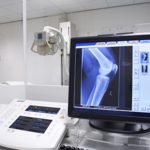
Additional to in-person consultations with our orthopedic back and spine providers, advanced imaging techniques help us understand the intricacies of your pain, many of which are often invisible to the naked eye. Before recommending treatment, our physicians may order any of the following for patients with back pain, spine pain, or neck pain.
- EMG
- MRI of the Back, Spine, or Neck
- Ultrasound of the Back, Spine, or Neck
- X-Ray of the Back, Spine, or Neck
- CT Scan of the Back, Spine, or Neck
Upon examination and imaging, you may be referred to other specialists within our practice who treat areas related to your back or neck pain; physical therapists or occupational therapists who can provide further functional movement evaluation and rehabilitation guidance; or, as a last effort, back and spine surgeons who can provide additional screenings and treatment recommendations.
Evaluate Your Back Pain, Spine Pain, or Neck Pain.
Treating Back & Neck Pain
Are you ready to put your back, spine, or neck pain to rest? We can help. We provide cutting-edge diagnostic methods to understand your pain and offer a variety of treatments and surgery options to solve it. Contact us to begin your road to recovery today.
Using clinical evaluations and imaging as guidance, our providers may recommend any of the following nonsurgical treatment plans to help alleviate or manage your back pain, spine pain, or neck pain.
- Rest – simple but effective!
- Strengthening – simple but effective!
- Massage
- Anti-inflammatories
- Non-operative Herniated Disc Treatments
- Sciatica Treatment
- Scoliosis Treatment
- Osteoporosis Screenings
- Spinal Injections
- Physical Therapy for the Back, Spine, or Neck
- Occupation Therapy for the Back, Spine, or Neck
Your provider will discuss various options with you to develop a plan that best suits your needs and lifestyle.
Back and spine surgery for patients who are not responding to nonoperative treatment, like rest, anti-inflammatories, physical therapy, injections, or other treatments like EMG. In all cases, advanced imaging will be ordered to be sure our diagnose is accurate. Surgical intervention may include:
- Herniated Cervical Disc Surgery
- Lower Back Pain (Lumbar) Surgeries
- Spinal Cord Injury Surgery
- Spinal Infection Surgery
- Spinal Stenosis Surgeries
- Anterior and Posterior Scoliosis Fusion
We provide all back and spine surgery at Portsmouth Regional Hospital in Portsmouth, NH, and York Hospital in York, ME. Soon, we will also be opening an on-site ambulatory surgical center at our offices on Lafayette Road in Portsmouth, NH.
Treat Your Back, Spine, or Neck Pain
What Makes Us Different?
When you’re experiencing back and spine problems, you can depend on our team of Board-Certified physicians to listen, respond, and help you find a solution to your pain. Over the years, our team has served thousands of Seacoast community members suffering from back and spine injuries. Our treatment plans are 100% focused on you and your road to recovery.
Treating Providers | Back & Spine
We offer preventative, nonoperative, and operative back and spine care to people of all ages and abilities throughout New Hampshire, Maine, and Massachusetts.


Services Related to Back & Spine Pain
Ready to restore your quality of life? We can help. We offer cutting-edge diagnostic methods to understand your pain and a variety of back and spine treatments and surgery options to solve it. Learn more by selecting any of the related services listed below.




Back, Spine and Neck FAQ
You should consider seeing a spine specialist when back or neck pain persists, worsens, or interferes with daily activities despite rest or other self-care measures. Numbness, tingling, weakness, pain that radiates into an arm or leg, or difficulty walking may also warrant an evaluation. A spine specialist can identify the underlying cause and recommend appropriate treatment, which may include physical therapy, medications, injections, or surgery.
Chronic back pain can result from conditions such as spinal stenosis, herniated discs, degenerative disc disease, arthritis, or injuries to the muscles and other structures supporting the spine. In some cases, more than one condition contributes to ongoing pain. A spine specialist can evaluate your symptoms and medical history to determine the likely cause and develop an individualized treatment plan.
Common spine conditions include spinal stenosis, herniated discs, degenerative disc disease, sciatica, arthritis, and spinal injuries. These conditions can cause back or neck pain, stiffness, numbness, tingling, or weakness that may extend into the arms or legs. Treatment depends on the specific condition and severity of symptoms.
Diagnosing back or neck pain typically begins with a physical examination and review of your symptoms, medical history, and activity level. Your provider may also recommend diagnostic imaging, such as X-rays or an MRI, to evaluate the bones, discs, nerves, and other structures of the spine. The results help determine the cause of your symptoms and guide treatment recommendations.
Yes. Many causes of back pain can initially be treated with nonsurgical options such as physical therapy, medications, activity modification, and spinal injections. Your treatment plan depends on the underlying condition, severity of symptoms, and how you respond to conservative care. Surgery may be considered when nonsurgical treatments do not provide adequate relief or when nerve compression or structural problems require surgical correction.
Treatment for spinal stenosis depends on the severity of symptoms and how they affect your daily life. Nonsurgical options may include physical therapy, medications, and spinal injections, while some patients may benefit from the MILD procedure, a minimally invasive treatment designed to relieve pressure caused by certain types of lumbar spinal stenosis. Spine surgery may be recommended for patients with more advanced symptoms or when other treatments have not provided sufficient relief.
Sciatica occurs when a nerve in the lower back becomes irritated or compressed, causing pain, numbness, tingling, or weakness that can travel through the buttock and down the leg. Common causes include a herniated disc and spinal stenosis. Treatment may include physical therapy, medications, injections, or other nonsurgical approaches, depending on the cause and severity of symptoms.
A herniated disc may require treatment when it causes persistent pain, numbness, tingling, or weakness that interferes with daily activities or does not improve with conservative care. You can make an appointment with a spinal specialist to see if you have reached that point.
Back pain may require surgery when a structural problem is causing significant symptoms and nonsurgical treatments have not provided adequate relief. Surgery may also be recommended when there is severe or progressive nerve compression, weakness, or another condition that requires surgical correction. A spine surgeon can review your symptoms and imaging to determine whether spine surgery is appropriate.
Pain that travels from the back or neck into an arm or leg may indicate that a spinal nerve is irritated or compressed. This can occur with conditions such as a herniated disc, spinal stenosis, or sciatica and may also cause numbness, tingling, or weakness. A spine specialist can evaluate your symptoms and determine whether further testing or treatment is needed.