
Intracept Procedure for Vertebrogenic Low Back Pain
Basivertebral Nerve Ablation for Chronic Low Back Pain
Basivertebral nerve ablation is a treatment option for certain people with chronic vertebrogenic low back pain. The Intracept™ Procedure uses this approach to target a nerve inside the spinal bones that carries pain signals from damaged vertebral endplates.
Persistent low back pain can make sitting, bending, lifting and everyday activities difficult. A consultation with Atlantic Orthopaedics & Sports Medicine can help identify the source of your symptoms and determine whether Intracept or another treatment is appropriate.
Learn more about our back, spine, and neck care and pain management services.
Understanding Vertebrogenic Low Back Pain
About 1 in 6 people with chronic low back pain have a specific type of pain known as vertebrogenic low back pain, according to the supplied Intracept patient-education materials. Vertebrogenic low back pain is often associated with disc degeneration and can develop over time due to everyday wear and tear or following an injury.
As discs degenerate, damage and inflammation may occur in the nearby spine bones, called vertebrae. This inflammation can irritate a nerve located within the vertebrae, known as the basivertebral nerve (BVN), which transmits pain signals to the brain and contributes to chronic low back pain.
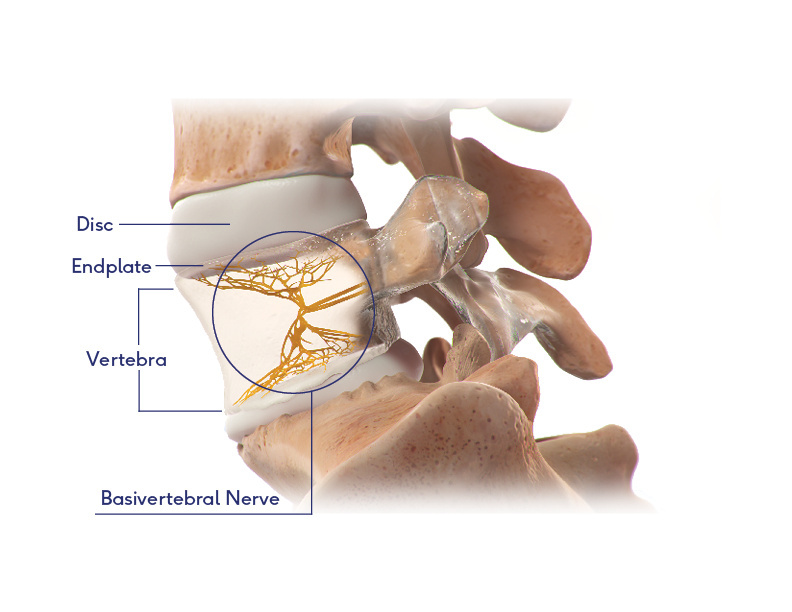
Disc, Endplate and Nerve Illustrations
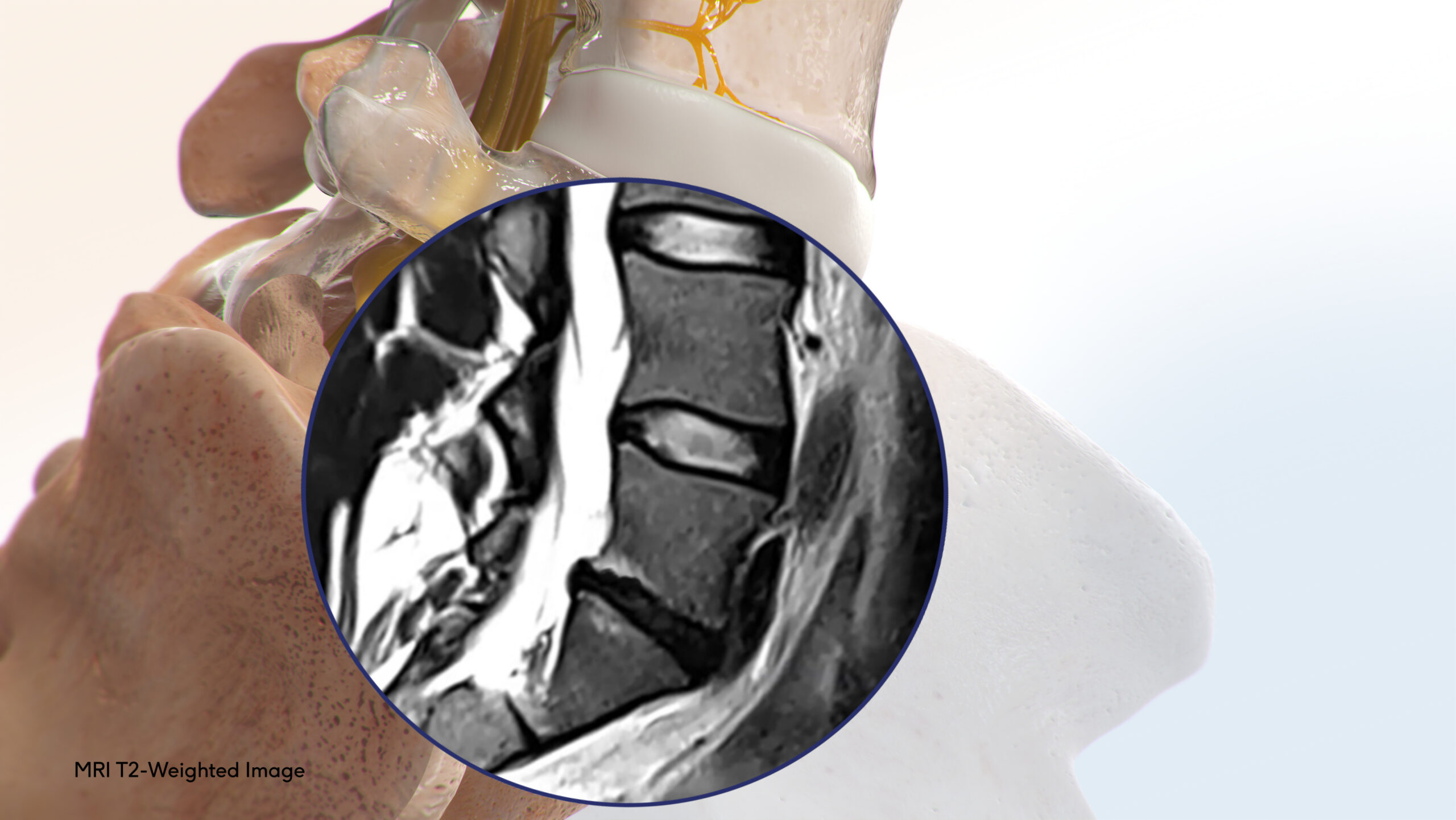
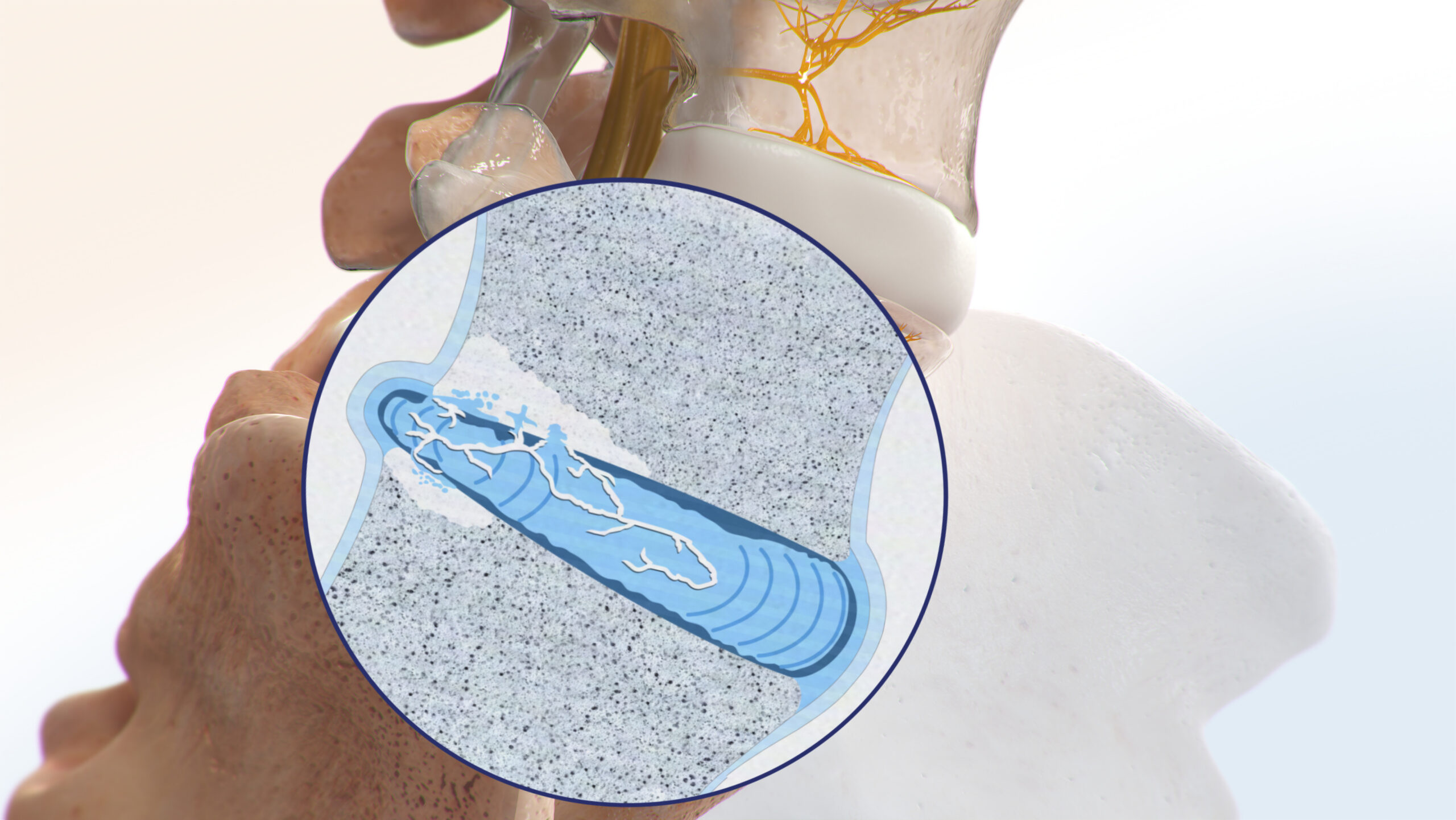
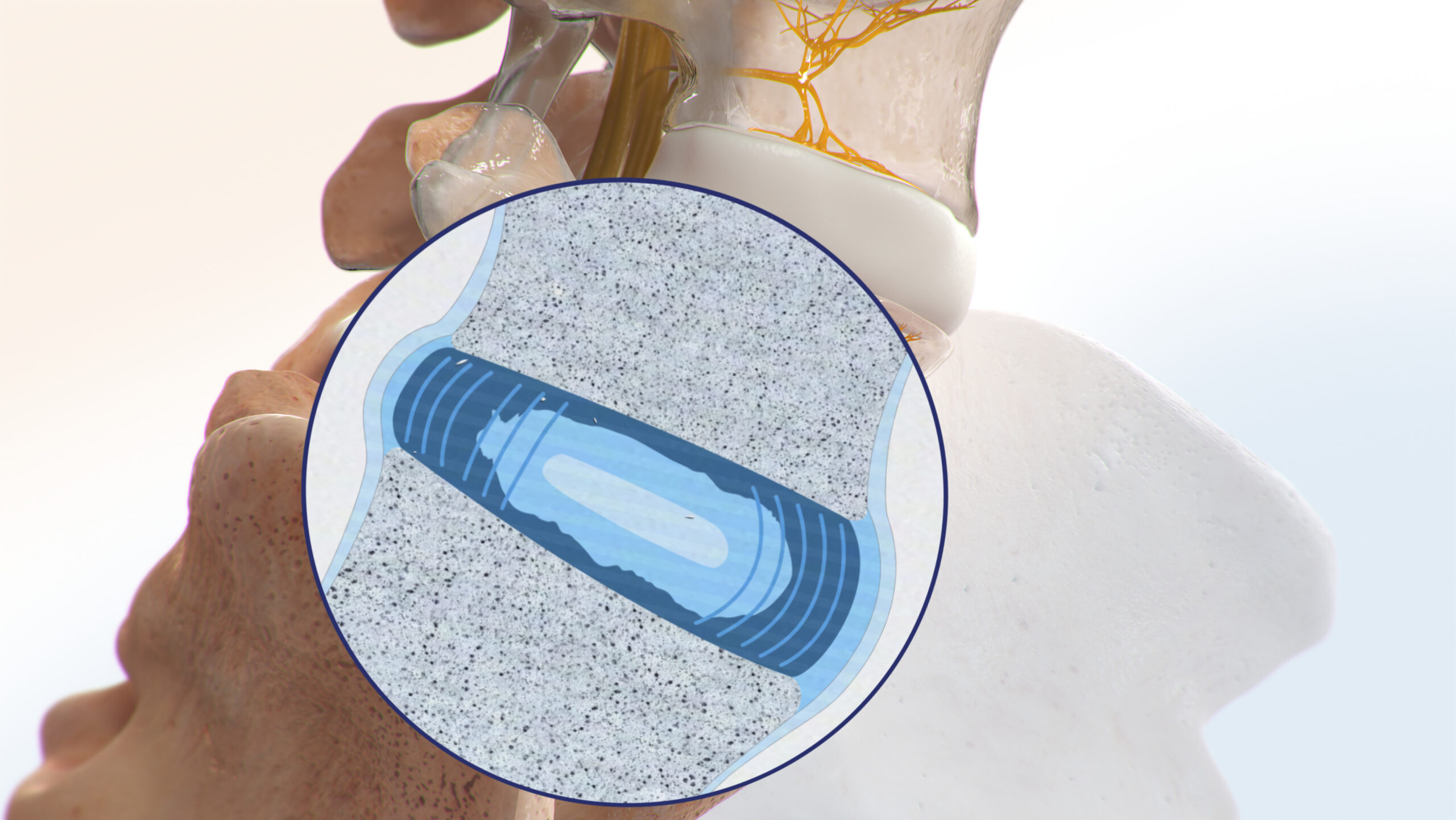
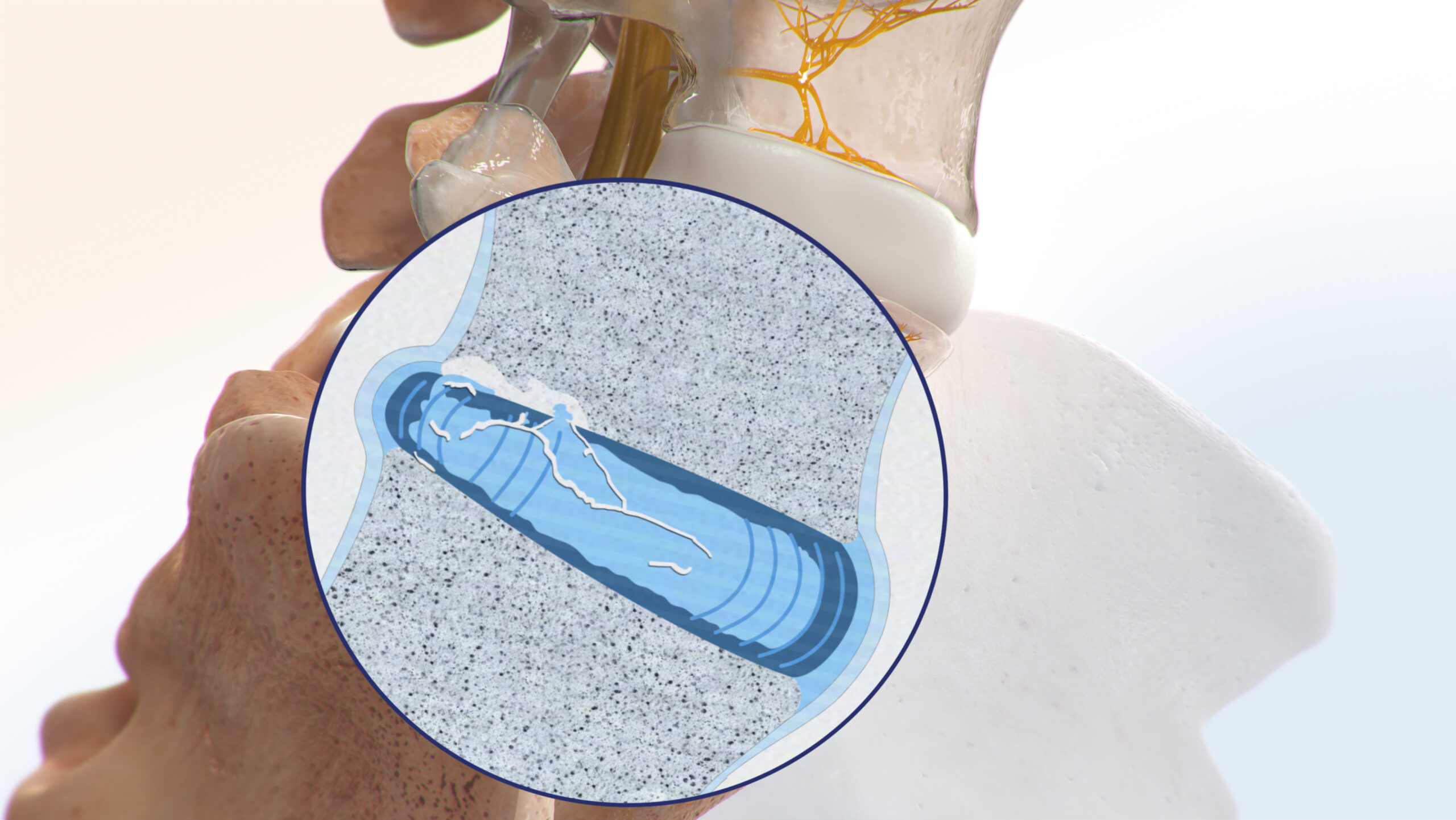
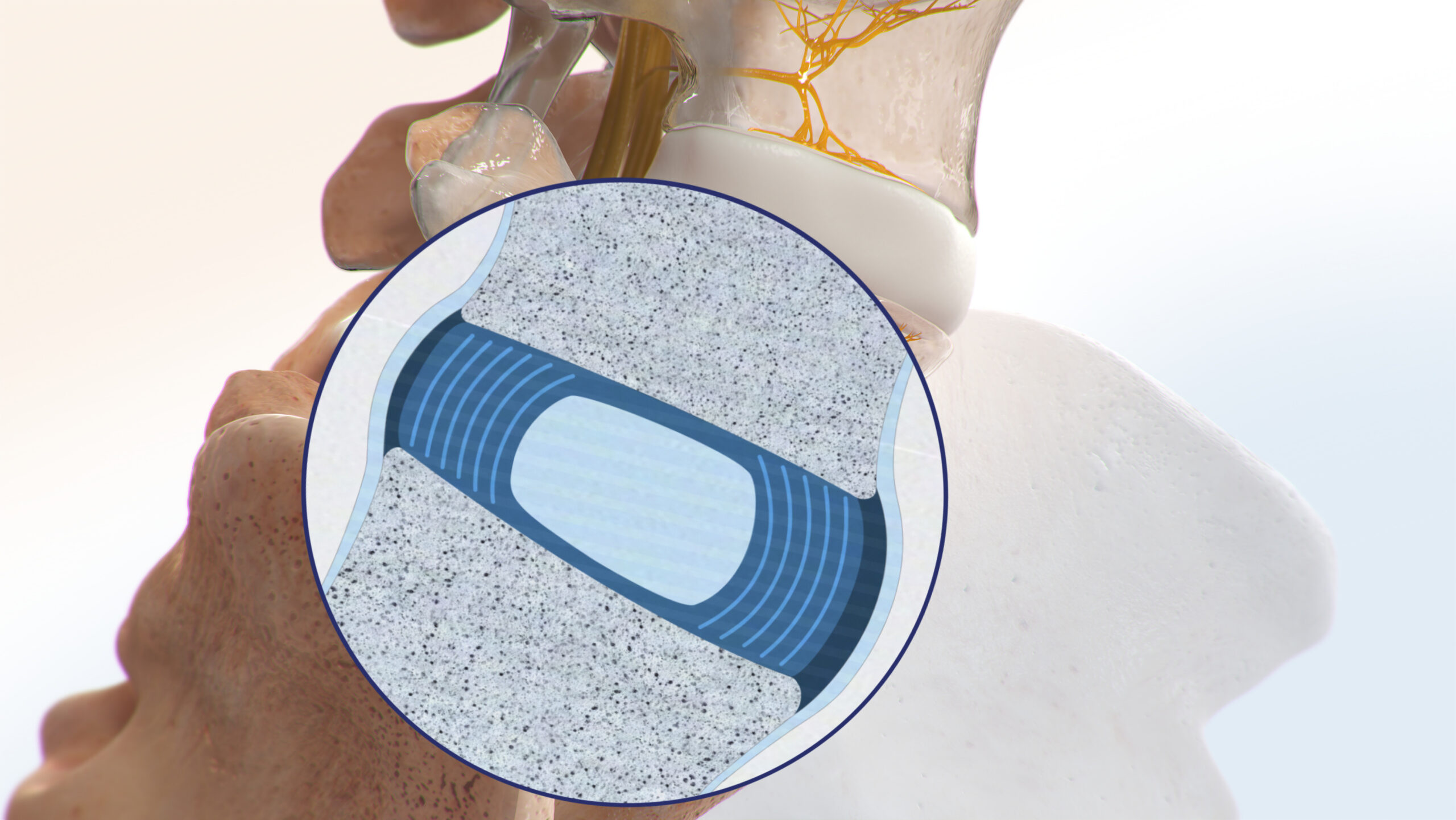
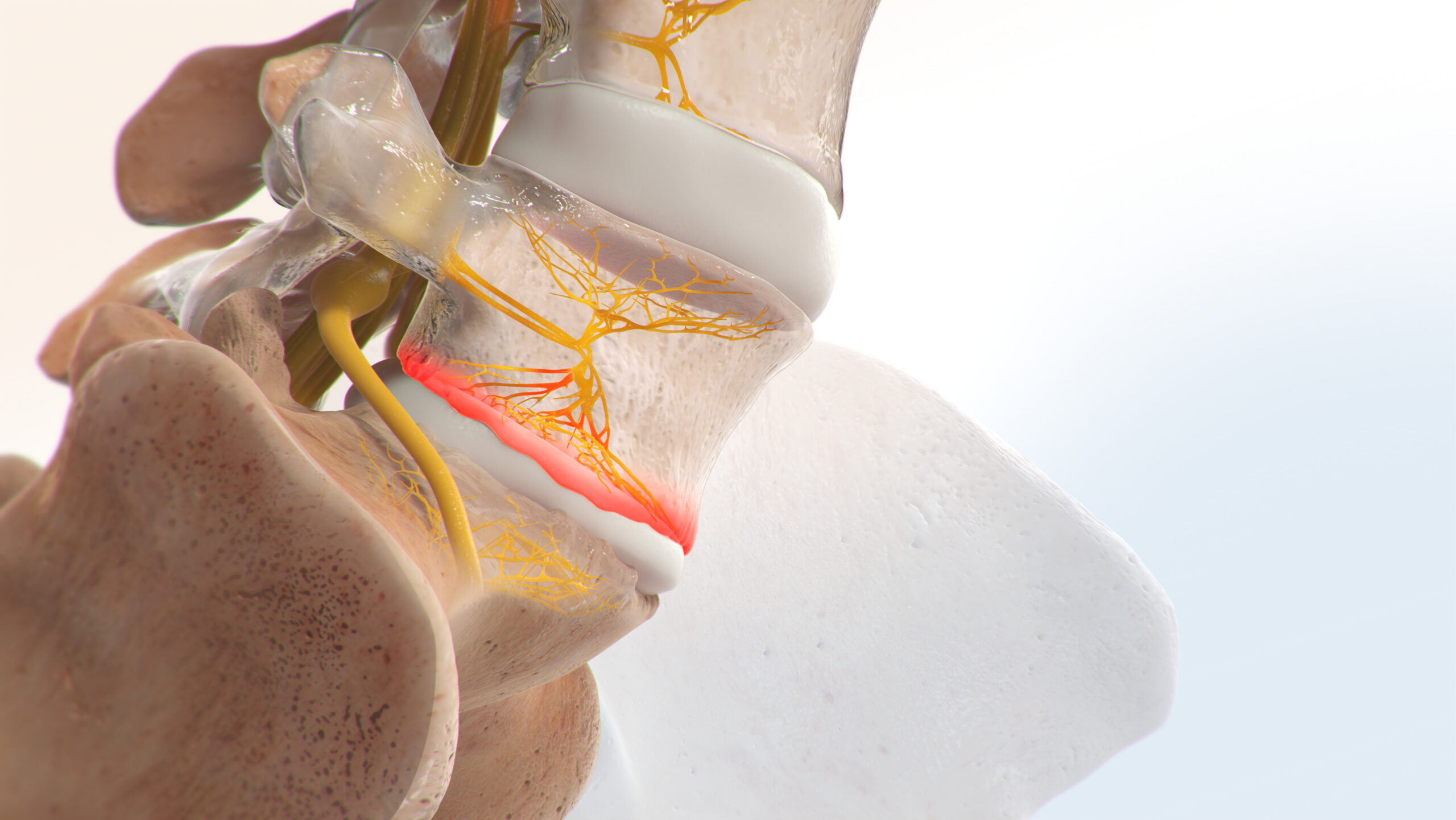
Supplied disc, endplate and nerve illustrations. Select an image to view it at full size.
How Do Patients Describe Vertebrogenic Low Back Pain?
Patients typically describe vertebrogenic low back pain as centered in the middle of their low back and worsened by sitting for long periods of time, bending forward, bending and lifting, or physical activity.1 These symptoms can also have other causes; an examination and imaging review help determine the source.
Sitting

Bending

Lifting

Physical activity
How Is Vertebrogenic Low Back Pain Treated?
Treatment begins with an evaluation of your symptoms, medical history, MRI findings and response to conservative care. Your physician may consider basivertebral nerve ablation when persistent pain and vertebral endplate changes support a diagnosis of vertebrogenic low back pain.
Because this pain is driven by the basivertebral nerve, treatment targets its ability to send pain signals to the brain. The Intracept™ Procedure is a minimally invasive treatment designed to interrupt these signals. It uses radiofrequency energy to heat the nerve, stopping it from sending pain signals. Unlike other radiofrequency ablation procedures, Intracept targets the basivertebral nerve, which has not shown an ability to grow back, according to the manufacturer.
What Is the Intracept™ Procedure?
The Intracept™ Procedure is a minimally invasive, FDA-cleared outpatient procedure designed to treat vertebrogenic low back pain at its source. It is a type of basivertebral nerve ablation. During the procedure, specialized instruments are used to access the basivertebral nerve within the spine, and radiofrequency energy is used to heat the nerve, stopping it from sending pain signals.
The procedure is implant-free and is performed under anesthesia for patient comfort. Most patients are able to go home the same day and return to daily activities within 1–2 weeks, according to the supplied patient-education materials. Your care team will provide individualized recovery instructions.
The Intracept Procedure is supported by multiple clinical studies reporting safety, effectiveness and long-lasting results following a single treatment.2, 3 These study findings do not guarantee an individual result.
How Intracept Works
Watch this physician animation for an illustrated overview of the anatomy and treatment.
Educational animation from Boston Scientific. Duration: 3 minutes, 43 seconds.
What Happens During the Intracept Procedure?
The physician uses specialized instruments to reach the basivertebral nerve within the vertebra. Radiofrequency energy heats the target nerve, and the instruments are removed when treatment is complete. No implant is left behind. Anesthesia is used for comfort.
Your care team will explain the preparation, anesthesia plan and discharge instructions for your procedure. The treatment plan depends on your evaluation and the area being treated.
Request an Intracept Evaluation
Intracept Procedure Illustrations
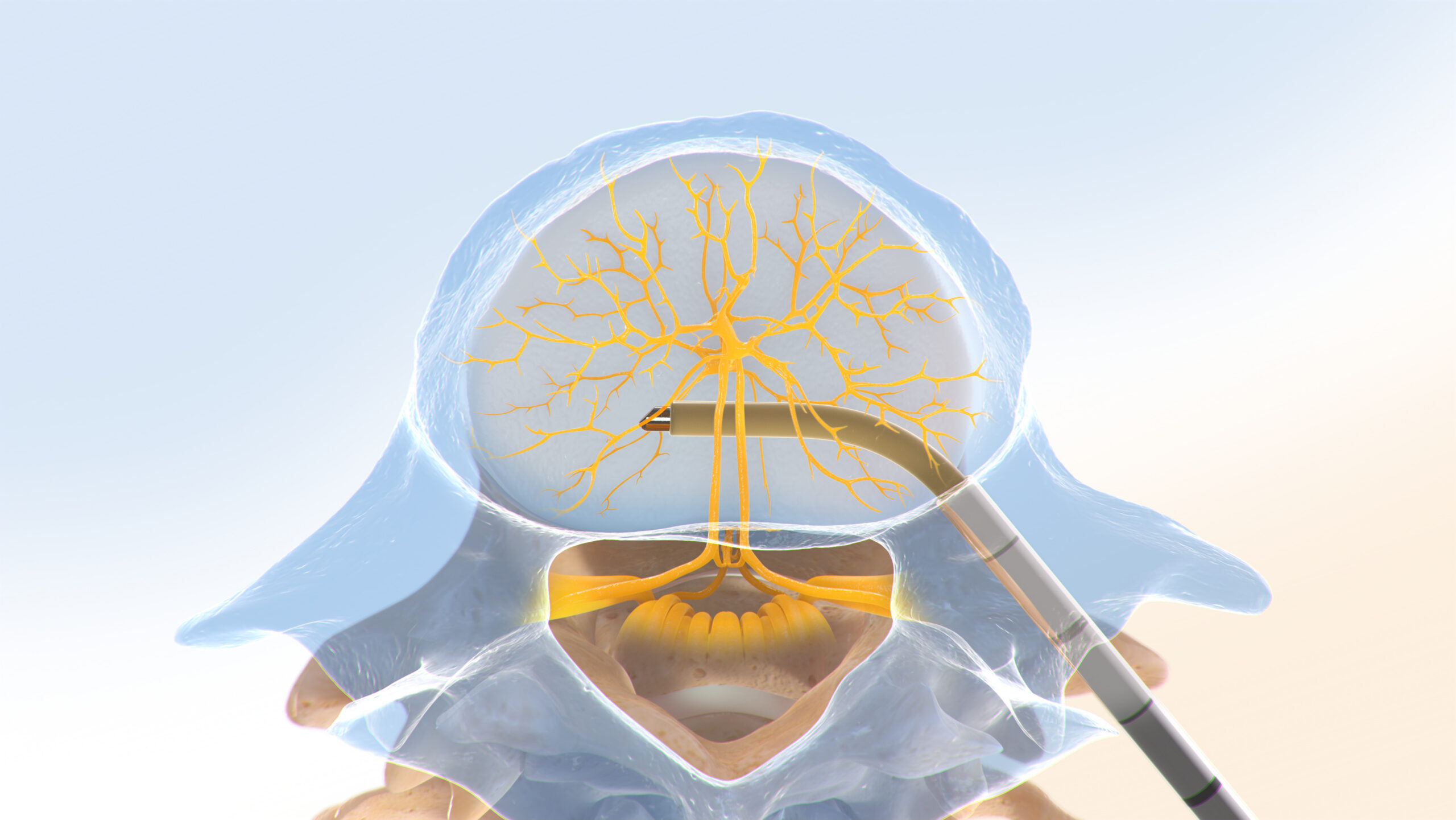
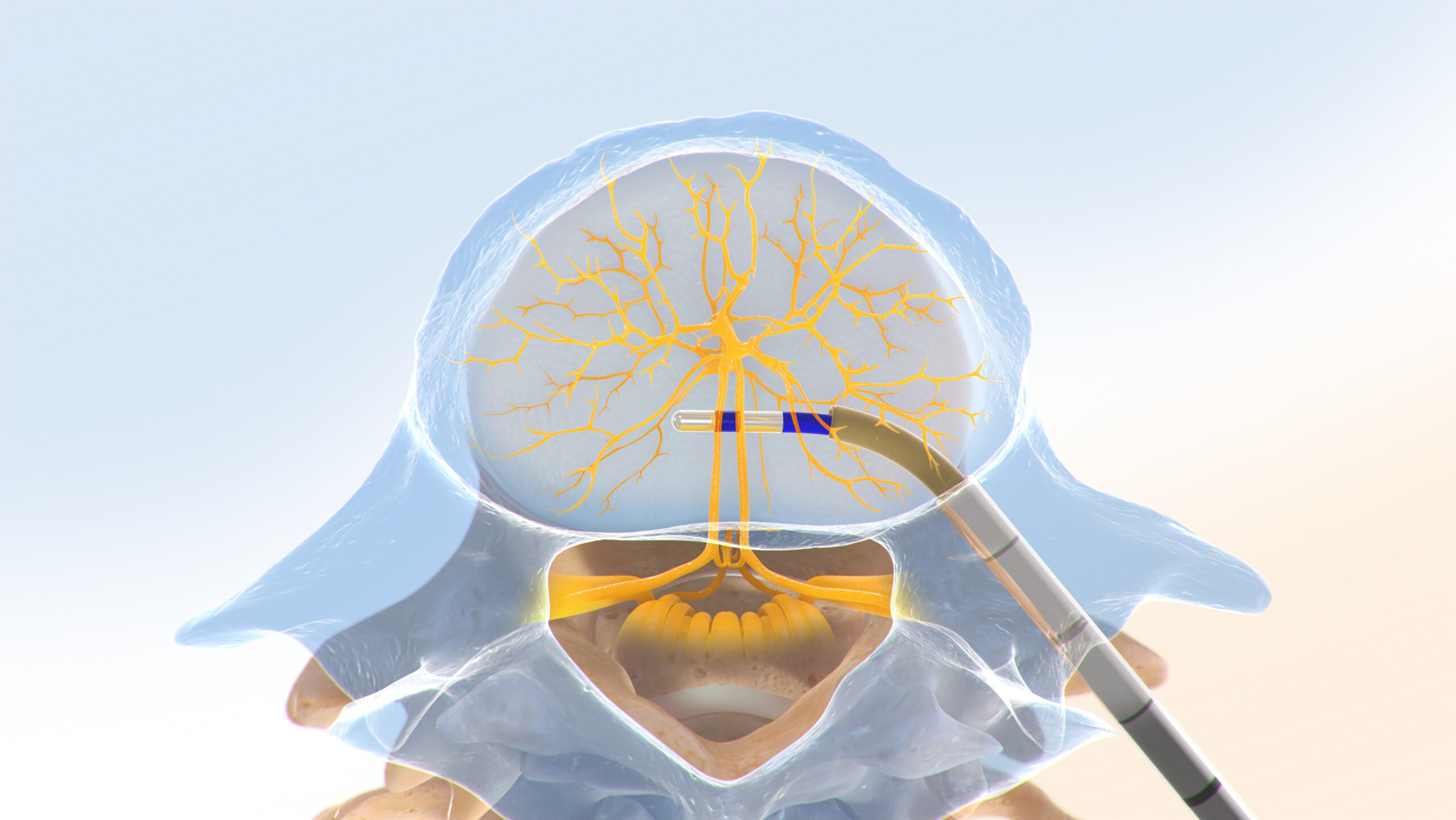
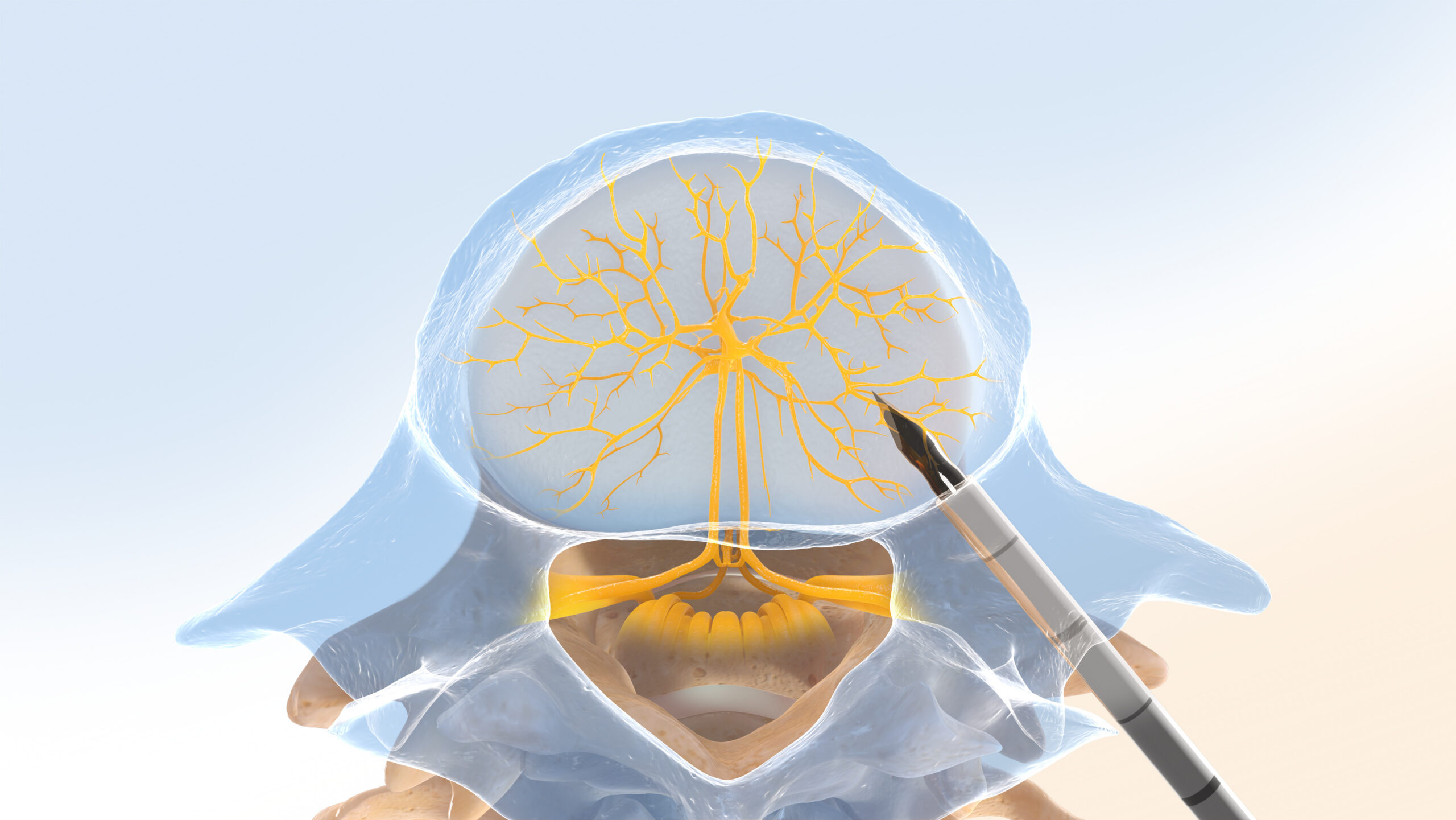
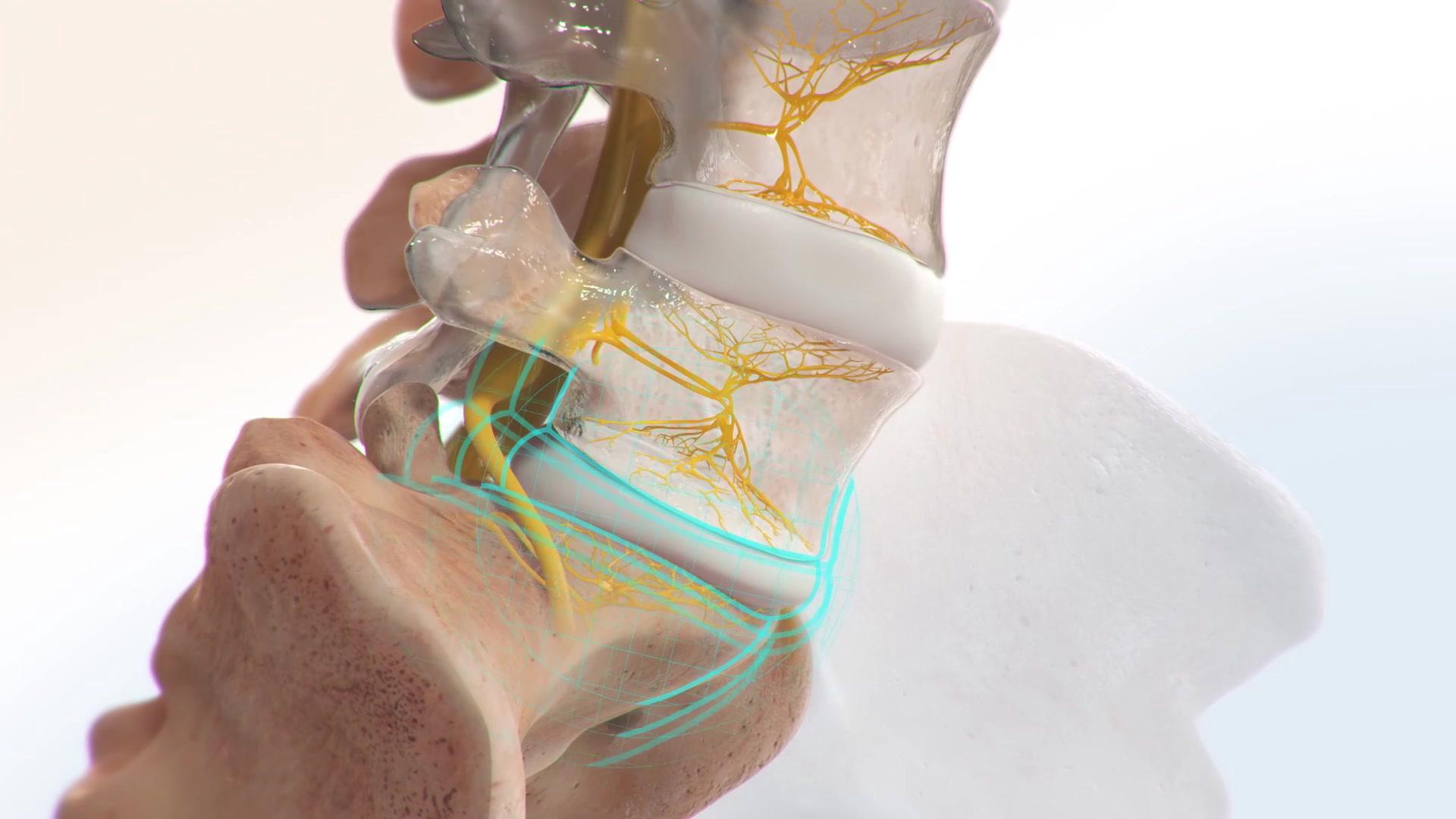
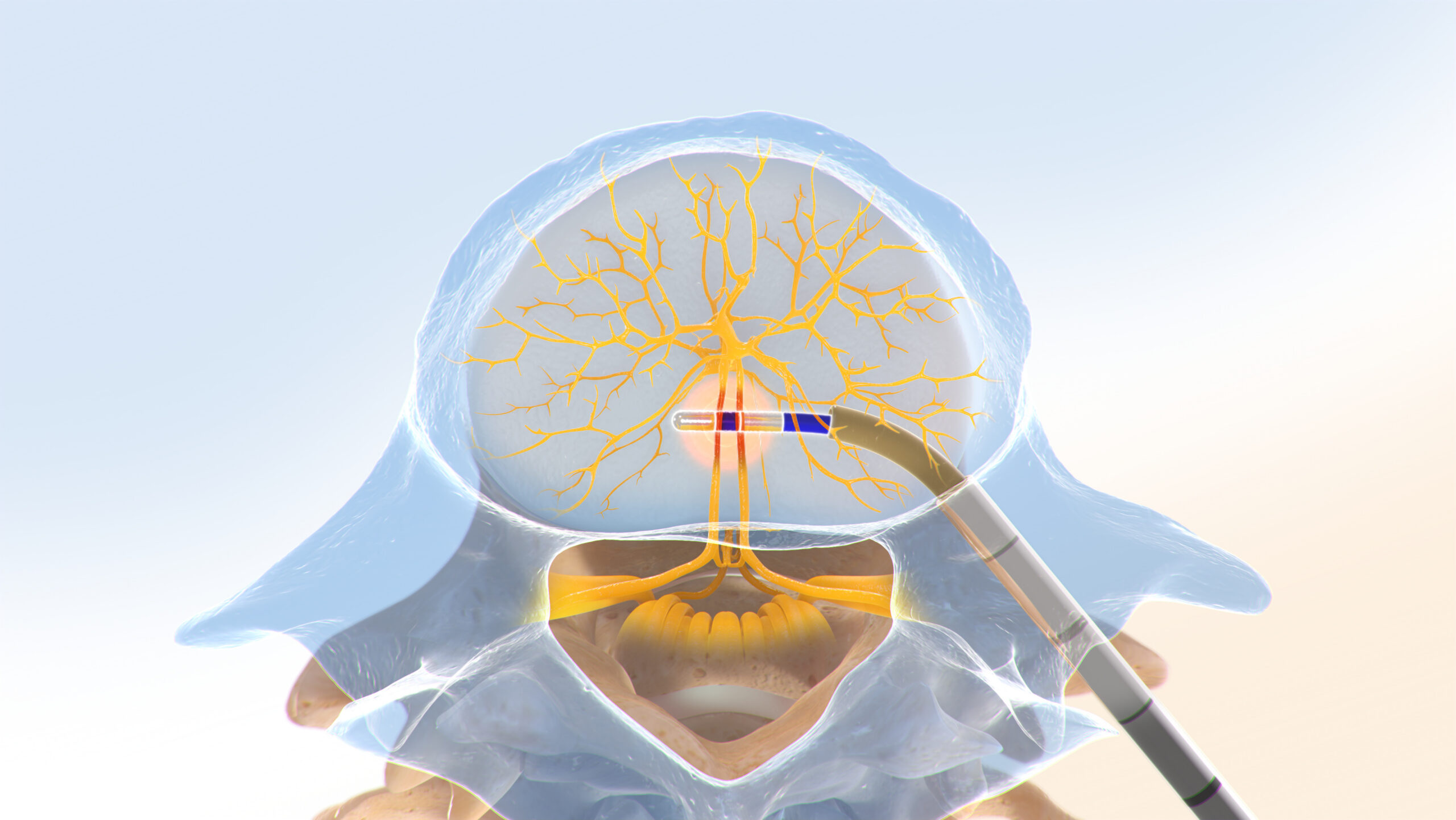
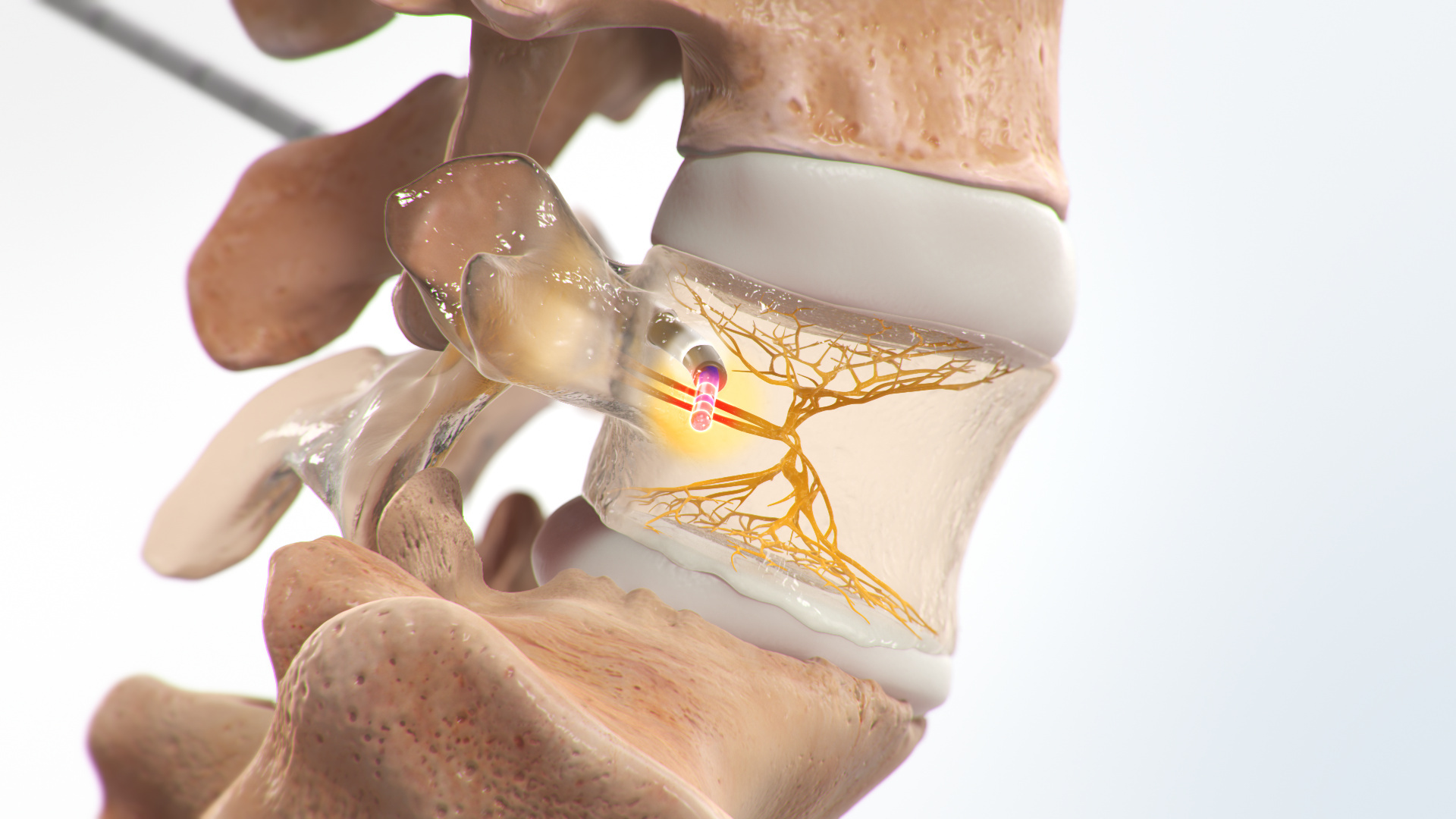
Educational illustrations supplied with the Intracept materials. Select an image to view it at full size.
Who May Be a Candidate?
- Chronic low back pain for at least six months;
- Tried conservative care for at least six months; and
- MRI findings consistent with Modic changes, indicating that damage at the vertebral endplates has led to inflammation.
Conservative care may include physical therapy and other nonsurgical treatments. Tell your physician about treatments you have tried, including any spinal injections, and how your symptoms responded. Your care plan depends on the source of your pain.
Meeting these criteria does not automatically make someone a candidate. Your physician must evaluate the source of your pain, imaging, medical history and conditions that could make treatment unsuitable. As with any procedure, Intracept has risks that should be discussed between the patient and medical provider.
How Long Does Pain Relief Last Following the Intracept™ Procedure?
Clinical studies show that the majority of patients who receive the Intracept Procedure report significant improvements in pain and daily activities that last at least five years after a single treatment.2
Some people may begin to notice relief at two weeks following the procedure, but most improve gradually over the first three months. Individual results and recovery times vary; pain relief is not guaranteed.
Frequently Asked Questions About Intracept
Learn what to discuss with your care team before deciding on treatment.
Vertebrogenic pain arises from the vertebral endplates and is carried by the basivertebral nerve. Back pain can also arise from other structures, so a diagnosis cannot be made from symptoms alone. Your physician will review your symptoms, examination and imaging together.
Coverage and authorization requirements vary by insurer and plan. Contact your insurance company and our office to confirm benefits, any prior authorization requirements and expected costs before scheduling a procedure.
Have questions about persistent low back pain? Start with a consultation to understand your options.
Recovery, Risks and Planning Your Care
Recovery After the Intracept Procedure
Most patients are able to go home the same day and return to daily activities within 1–2 weeks, according to the supplied Intracept materials. Some people may begin to notice relief at two weeks, while most improve gradually over the first three months.
Recovery and results vary. Follow your care team’s instructions for activity, incision care and follow-up, and ask when you can return to work, exercise and driving.
Risks & Side Effects of the Intracept Procedure
Potential risks include soreness, bruising, temporary numbness, infection or nerve irritation. Your physician will discuss these and other procedure- and anesthesia-related risks, as well as health conditions that may make treatment unsuitable. Review the manufacturer’s safety information with your care team.
Who Performs the Intracept Procedure?
Philip Zakko, MD, is a fellowship-trained orthopaedic spine surgeon at Atlantic Orthopaedics & Sports Medicine whose services include basivertebral nerve ablation. Contact our team to arrange an evaluation of your chronic low back pain and discuss whether the Intracept Procedure may be appropriate.
Intracept Procedure Locations
Our team can confirm the appropriate consultation location and procedure facility when you contact us. The location of your evaluation may differ from the location where treatment is performed.
References and Important Information
- Koreckij T, Kreiner S, Khalil JG, et al. Prospective, randomized, multicenter study of intraosseous basivertebral nerve ablation for the treatment of chronic low back pain: 24-month treatment arm results. NASSJ. 2021. doi:10.1016/j.xnsj.2021.100089.
- Fischgrund J, Rhyne A, Macadaeg K, et al. Long-term outcomes following intraosseous basivertebral nerve ablation for the treatment of chronic low back pain: 5-year treatment arm results from a prospective randomized double-blind sham-controlled multi-center study. Eur Spine J. 2020;29(8):1925–1934. doi:10.1007/s00586-020-06448-x.
- Khalil JG, Truumees E, Macadaeg K, et al. Intraosseous basivertebral nerve ablation: A 5-year pooled analysis from three prospective clinical trials. Interv Pain Med. 2024;3(4):100529. doi:10.1016/j.inpm.2024.100529.
Educational copy and illustrations adapted from Boston Scientific, Intracept™ Procedure Website Copy, NM-2407010-AA, © 2026 Boston Scientific Corporation or its affiliates. All rights reserved. All trademarks are the property of their respective owners.
Request an Intracept Evaluation
Find out what may be causing your chronic low back pain and discuss your treatment options with Atlantic Orthopaedics & Sports Medicine.
Call 603-431-1121 or request an appointment to discuss an Intracept evaluation.