Atlantic Orthopaedics Blog 4 Signs Your Foot Pain Needs A Specialist

When to See a Doctor for Foot Pain: 4 Signs it’s Time to See a Specialist 

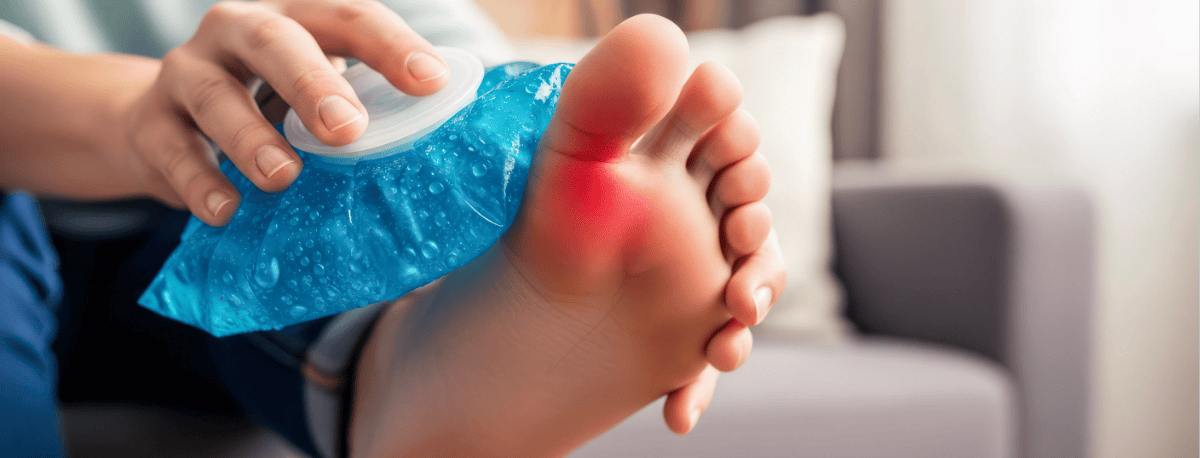
We’ve all heard the advice: “Just rest and put some ice on it.” And for the occasional sore foot after a workout or a day spent on your feet, that may be enough. But when pain keeps returning, or starts interfering with your daily life, you may wonder when to see a doctor for foot pain.

At Atlantic Orthopaedics & Sports Medicine, our foot and ankle care specialists help patients get to the root of persistent pain and find solutions to get them back on their feet. 

And while surgery is sometimes necessary, it’s often not the first step. Other treatments include: 

One of the clearest reasons to seek care is when your pain is interfering with normal life. Addressing the issue early helps prevent small problems from becoming larger ones down the road. Here are four signs your foot pain may need professional attention: 

1. Foot Pain that Won’t Go Away or Keeps Coming Back 

Minor injuries typically improve with activity changes and rest. If your foot pain lasts more than a few weeks or flares up regularly, it’s worth getting an evaluation. 

Persistent pain can be caused by conditions such as: 

  • Stress fractures 
  • Tendon injuries 
  • Plantar fasciitis 
  • Ligament damage 

Our foot and ankle specialists can evaluate the structure of your foot and ankle to determine what’s actually causing the pain, rather than simply treating the symptoms. 

2. Changes in the Way You Walk or Bear Weight 

If you’re limping, shifting your weight, or avoiding putting pressure on one part of your foot, your body is trying to compensate for discomfort. That compensation can throw off your alignment and lead to knee, hip, or back pain over time. A specialist can assess your gait and recommend treatment to restore your natural movement. 

3. Swelling, Instability, or Weakness in the Foot or Ankle 

Swelling or bruising can be signs of a soft tissue injury, while instability, weakness, or a feeling that your ankle might “give out,” can signal ligament damage. These kinds of issues are especially common after an ankle sprain that never fully healed. Without proper treatment, the joint may remain vulnerable to repeated injuries. Early evaluation can prevent long-term damage. 

4. Foot Pain is Limiting Your Daily Activities 

When pain limits your activities–whether that’s running, golfing, or simply keeping up with the kids–it’s more than an inconvenience. It’s a quality-of-life issue. If you’re avoiding exercise or having difficulty completing everyday tasks, it’s time to seek guidance. Dr. Eilts works closely with patients to develop customized recovery plans that balance activity and healing, helping you return to what matters most. 

Expert Foot and Ankle Care at Atlantic Orthopaedics 

Foot and ankle issues can have many different causes, and the right treatment starts with an accurate diagnosis. Our providers’ patient-centered approach starts with listening: to understand your symptoms, activity level, and goals. They help pinpoint the why behind your pain and provide a personalized treatment plan to restore comfort and mobility. 

If you’re suffering from foot pain, you don’t have to “tough it out.” When your pain persists, worsens, or affects how you move and live, seeing a specialist will help set you on the path to healing so you can get back to doing the things you love. At Atlantic Orthopaedics, we combine compassionate care with cutting-edge techniques to help every patient move comfortably and confidently again.  

If foot or ankle pain is slowing you down, take the next step toward lasting relief. Schedule a consultation with Dr. Eilts today. 

Relief from Nerve Compression with ACDF Surgery 

Do you have persistent radiating neck and arm pain because of a pinched nerve? Nerve compression is not just painful, but can disrupt sleep, limit daily activities, and make even small tasks feel overwhelming. At Atlantic Orthopaedics, spine surgeon Dr. Philip Zakko specializes in helping patients find lasting relief through cervical spine procedures like Anterior Cervical Discectomy and Fusion (ACDF) and Cervical Disc Replacement (CDR). Dr. Zakko performs the surgery at Portsmouth Regional Hospital and York Hospital. 

How ACDF Benefits Patients 

ACDF surgery is designed to relieve pressure on spinal nerves caused by a degenerated or herniated disc in the cervical spine. When a disc bulges, it can compress nearby nerves, triggering pain that travels from the neck into the arms. If conservative treatments like physical therapy or injections haven’t helped, the procedure could help patients reduce pain and regain mobility. 

Who is a Good Candidate? 

ACDF is recommended for patients who: 

  • Have neck pain radiating into their upper extremities 
  • Have MRI evidence of nerve compression 
  • Have completed six or more weeks of conservative treatment, such as physical therapy and/or injections, without improvement 

How Does the ACDF Procedure Work? 

With the patient under anesthesia, Dr. Zakko begins by making a small horizontal incision along the neck. Next, the damaged disc and bone spurs (if any) are removed. Once the space is cleared, a piece of donor bone, or a metal spacer filled with bone material, is placed where the disc was, creating a bridge that will allow the vertebrae to fuse into a single bone over time. To keep everything stable during healing, a small metal plate and screws are typically used to hold the bones in place.  

Physical therapy may be prescribed during recovery to strengthen the neck muscles and increase mobility. Within a few months after the ACDF procedure, most patients experience less pain and are able to return to their normal activities.  

A Patient Success Story 

We asked Dr. Zakko to tell us about a recent patient who underwent ACDF with excellent results. His patient–a 70-year-old man–arrived with three months of significant right arm pain that radiated from his neck to his middle finger, along with weakness in his right triceps. 

Despite more than six weeks of physical therapy, his symptoms persisted. X-rays showed degenerative disc disease at the C6-7 level, and an MRI confirmed compression of the right C7 nerve root caused by a disc osteophyte complex. 

The patient elected to undergo C6-7 ACDF with Dr. Zakko. The surgery went smoothly, and he woke up with immediate relief of his arm pain and a return of strength–a life-changing improvement after months of discomfort. 

What Patients Should Know 

ACDF has long been considered the gold standard surgical treatment for symptomatic cervical disc degeneration, although Dr. Zakko notes that some patients may be candidates for a motion-preserving option called Cervical Disc Replacement. By replacing the affected disc with an artificial one, CDR can help maintain natural movement in the neck and help preserve adjacent levels from future wear and tear.  

Cervical Spine Care Tailored for You 

Whether you’re dealing with a painful compressed nerve or other neck and spine issues, Dr. Zakko and the team at Atlantic Orthopaedics & Sports Medicine are here to help you understand your options and find the treatment that works for you. With expertise in both minimally invasive and traditional surgical techniques, Dr. Zakko provides expert, individualized care to restore your quality of life and get you back to the activities you love. 

To learn more about ACDF or other cervical spine treatments, schedule a consultation with Dr. Zakko. Relief could be closer than you think. 

woman on a stand up paddle board on the ocean.

From Kayaking to Paddleboarding: Orthopaedic Care and Injury Prevention for Water Sports Enthusiasts 

There’s nothing like being out on the water—gliding across a glassy lake on a paddleboard, navigating a winding river in a kayak, or exploring the coastline by canoe. These summer pastimes aren’t just relaxing—they’re also great for your overall fitness, building upper body strength, balance, and cardiovascular health. But like any sport, water sports come with some orthopedic risks. 

At Atlantic Orthopaedics & Sports Medicine, we see a range of water sports–related injuries every year, from overuse strains to acute trauma. The good news is that many are preventable with the right conditioning and technique—and very treatable if they do occur. Both Dr. Abigail Boduch and Dr. Andrew McMahon specialize in treating sports-related injuries and conditions, with a focus on reducing pain and getting patients back to the activities they love. Dr. McMahon has served the seacoast community as a Primary Care Sports Medicine provider and served as team physician for a number of local high school teams, while Dr. Boduch is an orthopedic surgeon (and paddle board enthusiast) who specializes in the treatment of tendon, ligament, and cartilage injuries, as well as trauma care focused on fractures of the extremities. Dr. Tyler Welch is an orthopedic surgeon and partner at Atlantic Orthopaedics who also specializes in Sports Medicine, with a focus on Arthroscopy of the knee, shoulder, and hip 

Whether you’re an experienced athlete or just getting started with water sports, here’s what to watch for, how to avoid common injuries, and how we can help if something goes wrong. 

Common Water Sports Injuries (and How to Prevent Them) 

1. Rotator Cuff Strains and Tears 
Shoulder pain is one of the most common complaints among kayakers and paddleboarders. Repeated overhead paddling motions, especially without proper technique or warm-up, can strain or even tear the rotator cuff—the group of muscles and tendons that stabilize your shoulder joint. Atlantic Orthopaedics partner Dr. Mayo Noerdlinger specializes in injuries of the shoulder, encouraging his patients to take an active role in their treatment. An advocate of opioid-sparing surgery, Dr. Noerdlinger uses novel pain-relieving treatment options to hasten the recovery process. 

Prevention: 

  • Warm up shoulders and arms before heading out 
  • Use proper paddling technique—avoid overreaching or poor posture 
  • Strengthen shoulder and upper back muscles with resistance exercises during the off-season 

Treatment Options: 

  • Rest, Ice, Compression, and Elevation (RICE) for minor strains 
  • Physical Therapy to rebuild strength and improve flexibility 
  • Corticosteroid Injections to reduce inflammation 
  • Surgical repair in the case of full-thickness tears 

2. Elbow Overuse Injuries (Including Tennis Elbow) 
Holding a paddle for extended periods, especially with a tight grip or poor wrist alignment, can cause overuse injuries like tennis elbow (lateral epicondylitis), which involves inflammation of the tendons around the elbow. Hand and upper extremity surgeon Dr. Maximilian Meyer has years of expertise in treating both acute elbow injuries and chronic conditions. His philosophy centers on listening to and working together with patients to create individualized care plans – both surgical and non-surgical – that help you return to an active lifestyle as quickly as possible. 

Prevention: 

  • Avoid a death grip on the paddle—relax your hands 
  • Strengthen forearm muscles with light weights or resistance bands 
  • Mix up your activities to avoid repetitive strain 

Treatment Options: 

  • Rest and anti-inflammatories 
  • Elbow braces or straps to relieve strain 
  • Physical Therapy with eccentric strengthening exercises 
  • Steroid or PRP injections for more stubborn cases 
  • Elbow surgery in the event of serious injury 

3. Foot and Ankle Injuries 

From the sudden jolt of a fall from a jet ski to the subtle wear-and-tear of beach running, your feet and ankles take a beating during many popular water sports. These joints are crucial for balance, propulsion, and impact absorption—making them particularly vulnerable in fast-paced or high-impact environments like surfing, jet skiing, waterskiing, and beach volleyball. From ankle sprains to Achilles tendon tears to “Turf Toe” (a sprain of the big toe joint), ankle and foot injuries are some of the most common when it comes to water sports.  

Prevention: 

  • Warm up and stretch before getting on the water 
  • Wear appropriate footwear (water shoes, board shoes, or sport-specific bindings) 
  • Strengthen foot and ankle muscles with balance exercises, heel raises, and resistance band work 
  • Be cautious on wet, slippery surfaces—many injuries happen on docks, boats, or shorelines 

Treatment Options: 

  • RICE (Rest, Ice, Compression, Elevation) 
  • Ankle bracing or taping for support during recovery 
  • Immobilization in a boot or cast 
  • Physical therapy to restore strength and stability 
  • Surgical repair in cases of severe ligament tears 

4. Lower Back Pain and Muscle Strain 
Poor posture, weak core muscles, or long hours kneeling or sitting can lead to lower back discomfort—especially for paddleboarders and kayakers. Water sports like wakeboarding and waterskiing can also result in muscle strain or injury. If you suffer from persistent lower back pain, there are non-surgical treatments that can help. Dr. Andrew Lehn is a board-certified interventional pain management provider uses spinal injections and other interventional and opioid-sparing treatments to alleviate back pain and get patients back to doing the activities they love. 

Prevention: 

  • Incorporate core exercises like planks, bridges, or Pilates into your regular routine 
  • Sit tall while paddling and avoid slouching 
  • Alternate between sitting, kneeling, or standing to give your back a break 

Treatment Options: 

  • Heat or ice, depending on the cause of pain 
  • Physical Therapy focused on core strength and flexibility 
  • Spinal Injections to alleviate pain 

5. Wrist and Hand Injuries 
Whether you’re gripping the throttle of a jet ski, maneuvering a sailboat, or paddling your way through a river, your hands and wrists are working hard. These small but essential joints are involved in nearly every water sport—and because of that, they’re also vulnerable to overuse, strain, and acute injury. If hand or wrist pain is persistent, worsening, or accompanied by numbness, weakness, or swelling, it’s important to get a proper diagnosis. Dr. H. Matthew Quitkin specializes in treating conditions of the hand and wrist, including fractures, tendon injuries, nerve compression syndromes (Carpal Tunnel and Cubital Tunnel), and overuse syndromes (Tendinitis, Tennis Elbow). 

Prevention: 

  • Adjust your grip—keep wrists neutral and avoid bending too far forward or back 
  • Take breaks to shake out and stretch your hands 
  • Use ergonomic paddles, grip pads, or sailing gloves 

Treatment Options: 

  • Wrist splints to reduce movement 
  • Ice and anti-inflammatory medication 
  • Corticosteroid injections for inflammation 
  • Surgery for persistent carpal tunnel syndrome 

6. Knee Pain and Meniscus Injuries 
Jet skiing, surfing, and waterskiing can all place stress on your knees. The knees act as shock absorbers and stabilizers, constantly adjusting to shifts in motion and impact from waves, jumps, and turns. A rapid pivot, a forceful landing, or an unnatural twisting motion—such as falling while your foot is still anchored in a waterski or planted during a hard turn—can tear the meniscus. In some cases, these movements may also strain or injure surrounding ligaments, like the ACL (anterior cruciate ligament), or cause patellofemoral pain syndrome, which involves irritation under the kneecap. If pain or swelling in the knee persists, don’t ignore it. Early treatment can make a significant difference in recovery. Dr. Michael Morwood is an expert in treating knee conditions, including fractures and injuries due to trauma. And Dr. Akhil Sastry is an orthopedic surgeon specializing in partial and total knee replacement. Dr. Sastry was among the first 15 surgeons worldwide to perform a robotic-assisted total knee replacement and has since performed the surgery over 1,000 times. 

Prevention: 

  • Strengthen the muscles that support your knees—quads, hamstrings, and glutes 
  • Practice proper landing mechanics, and use well-fitting equipment, including bindings or knee supports if needed. 
  • Stretch hips and hamstrings to improve mobility and reduce strain 

Treatment Options: 

  • Rest and elevation for swelling 
  • Targeted rehab exercises with a physical therapist 
  • MRI evaluation for suspected structural injury 
  • Arthroscopic surgery for severe meniscus tears 

When to See a Specialist 

Many water sports injuries start small—but they can become serious if they aren’t evaluated. If you experience persistent pain, numbness, swelling, or weakness after water sports, it’s time to check in with an orthopedic provider. Early diagnosis and treatment can keep minor issues from turning into long-term problems. 

At Atlantic Orthopaedics & Sports Medicine, our entire team of doctors, physician assistants, and support staff are here to help get your body back in motion and feeling great so you can enjoy a pain-free summer season. From conservative treatments like physical therapy and injections to advanced surgical options, we’ll create a treatment plan tailored to your activity and goals. 

Love the water? We’ll help you stay strong, safe, and ready for your next adventure. Schedule an appointment today. 

Doctor performing an ortho exam in an exam room.

Pain’s Gone, Summer’s On! Take Your Summer Back 

Summer’s here—time for barbecues, beach days, and family road trips. But if you’re one of the millions struggling with chronic back, neck, or joint pain, even those simple pleasures can feel out of reach. The good news is that a minimally invasive procedure called Radiofrequency Ablation may be able to help. At Atlantic Orthopaedics, pain management specialist Dr. Andrew Lehn has seen firsthand how this treatment can dramatically improve quality of life for patients suffering from chronic pain.  

What Is Radiofrequency Ablation?  

Radiofrequency Ablation (RFA) is a targeted treatment designed help lower back pain. The procedure targets the small nerves that transmit pain signals from the joints in your spine to your brain. RFA uses heat generated by radio waves to disable a small section of nerve tissue. By “turning off” these nerves, the procedure can provide long-lasting pain relief, especially in the lower back, neck, and arthritic joints.  

How Do I Know if the Procedure Is Right for Me? 

Radiofrequency Ablation isn’t for everyone, but it’s an excellent option if you: 

  • Have chronic low back pain (often diagnosed as facet joint arthritis). 
  • Have not experienced significant relief from medication, injections, or physical therapy and want to avoid—or delay—major surgery. 
  • Are in generally good health and can undergo a minimally invasive outpatient procedure. 

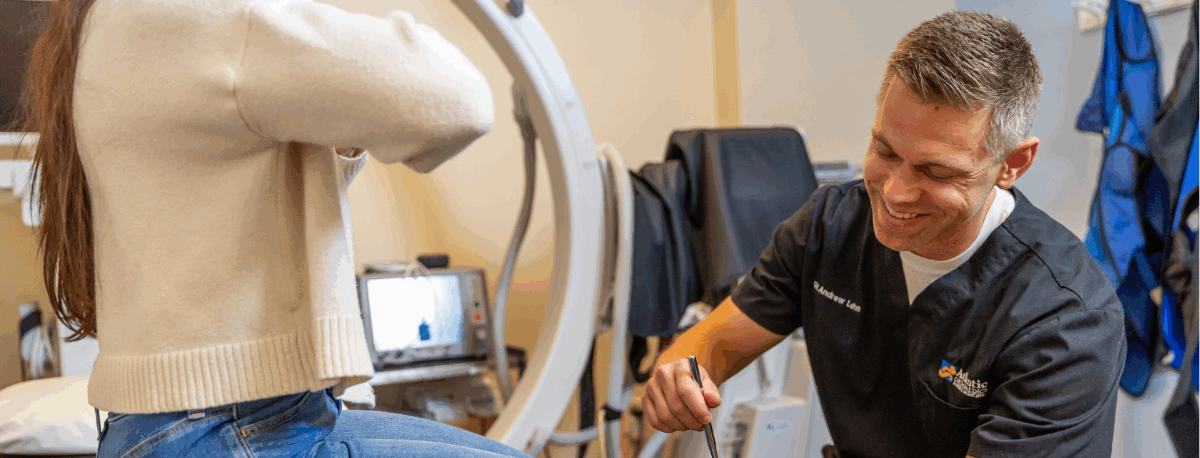
To determine if RFA could benefit you, the first step is to schedule a consultation with Dr. Lehn. He will review your medical history, perform a physical exam, and order imaging to evaluate the degree of damage from your arthritis or spinal injury. He will then use a diagnostic block test to pinpoint the source of your pain. In the test, a local anesthetic is injected near the source, and if the injection alleviates your pain, it means you may be a good candidate for RFA.  

What Is Involved in the RFA Procedure? 

  • You’ll be positioned face down on a specialized X-ray table, and you’ll stay awake so you can respond to any questions. Medication to help you relax during the procedure is optional. 
  • Your provider will numb the skin at the treatment area with a local anesthetic, then insert a fine needle using live X-ray guidance for precise targeting. You may feel brief pressure, but most patients describe it as far less uncomfortable than their everyday arthritis pain. 
  • Then, an electrode is inserted through the needle to determine that the placement is correct. You may feel a slight tingling, muscle twitch, or mild discomfort—an indication that the electrode is in the right position.  
  • With the location confirmed, radiofrequency energy is transmitted through the needle using the same electrode to heat and disable the targeted nerve, preventing it from transmitting pain signals to your brain. The procedure can take anywhere from 15 minutes to half a hour, depending on the number of nerves being treated. RFA is an outpatient procedure, so you will be able to go home the same day. Recovery time usually takes a few days at most. 
  • With the nerve “turned off,” you should notice a decrease in pain. Some patients experience immediate relief, but for others it may take more time. Side effects can include mild inflammation or tenderness at the injection site that should resolve within a week. 
  • You’ll come in for a follow-up appointment about two weeks after the procedure to assess your condition. 

RFA is considered very safe and involves very few complications compared to more invasive surgeries. Though some patients experience relief that lasts several years, treated nerves can regrow, and the procedure can be repeated if your pain returns after a period of six months or longer. 

Benefits of RFA  

  • Sustained Pain Relief: Many patients enjoy six to 12 months (or more) of significantly reduced pain. 
  • Minimal Downtime: Most people return to normal activities within a day or two. 
  • Reduced Medication Dependence: Less reliance on oral pain meds or steroids means fewer side effects. 
  • Improved Mobility: With the pain dialed down, you can move more freely. 

Here’s what a recent patient had to say about RFA:  

“I’ve been seeing Dr. Lehn for almost a year now and have had positive results. I have low back arthritis and started off having cortisone shots which only helped for the short term. Dr. Lehn suggested an ablation for my back. I feel great one day later and I’m walking better. This is a great alternative to surgery. Dr. Lehn has always been positive, answering all my questions and concerns.” 

Summer doesn’t have to be a season you watch from the sidelines. With Radiofrequency Ablation, you can return to the activities you love—whether that means pickleball, playing with the grandkids, or just enjoying a comfortable car ride to the beach. If chronic pain has been putting your life on hold, Dr. Andrew Lehn and the team at Atlantic Orthopaedics & Sports Medicine are here to help you take it back. 

Ready to make pain a memory? Contact us to request an appointment today. 

How the MILD Procedure Helped an 86-Year-Old Woman Get Her Life Back 

In early 2023, 85-year-old Jackie Freehart reached to put something away in a kitchen cupboard and fell backwards, injuring her back. It was so painful that she needed her son’s help to get up from the kitchen floor. After two days of waiting for the pain to stop, she went to the hospital to get checked out. Jackie was seen by Atlantic Orthopaedics pain management specialist, Dr. Lehn, who told her that she had Spinal Stenosis, a condition that occurs when the channel inside the spine narrows, putting pressure on the spinal cord and nerves, and causing pain when standing or walking. Spinal Stenosis can be the result of an injury like Jackie’s, or just the normal wear and tear that comes with aging.  

Dr. Lehn listened closely to Jackie’s story and suggested she try conservative treatments for the pain first, rather than rushing into surgery. “I was so impressed with Dr. Lehn,” Jackie said. “He doesn’t rush but takes the time to explain things. He doesn’t give orders. He gave me a choice.”  She decided to try physical therapy, and then Cortisone shots, but found that neither one helped, at least not for long. “Getting in and out of bed was the worst thing,” Jackie said. “I just couldn’t get comfortable. The only position I could sleep in was lying on my side, but turning from one side to the other was painful and difficult.” 

At her next visit, Dr. Lehn told her about a procedure for Spinal Stenosis called MILD, short for minimally invasive lumbar decompression. MILD is a minimally invasive alternative to traditional spinal surgery where the surgeon inserts a spinal decompression device through a tiny incision in the back, using it to remove the tissue that’s pressing on the spinal nerves. The procedure takes less than an hour and is performed with local anesthesia so patients can go home the same day. Dr. Lehn gave Jackie a brochure about MILD to take home and asked her to think about it. In the meantime, she continued to get Cortisone shots in the hopes that it would provide relief. 

When she returned to Dr. Lehn a few months later for her Cortisone shot, he mentioned that he had done the MILD procedure on a 90-year-old patient the day before and she had walked out of the hospital on her own. “I had read the brochure and I Googled it,” Jackie said, “and we talked about it twice before I got serious about it. He didn’t try to coerce me into it.” About 7 months after her fall and still in pain, Jackie made up her mind to undergo the procedure.  

“Dr. Lehn explained everything, so I knew what to expect,” she said. “He was very reassuring and I was not a bit nervous when I went in.” Dr. Lehn performed the MILD procedure at NECOS in Portsmouth in August of 2023. Jackie woke up soon after and walked out with the help of a walker. She was still in some pain when she left the hospital and it continued for the next day. But two days after the surgery, Jackie reported, she was pain-free. “The recovery was almost miraculous!” she said. “Now I have no pain going to bed. I’m not fearful about it. I can sleep and I feel like myself again.” Jackie can get around now with just a cane. She recently attended a baby shower and is back to walking at the mall three days a week. “I can cook again, which is my passion,” she said. “I have company over now.”  

When asked if she would recommend the MILD procedure and Dr. Lehn to her friends, Jackie didn’t hesitate. “I can’t say enough wonderful things about Dr. Lehn. The whole staff was incredible, very helpful and kind,” she said. “This procedure is worth it for anyone having this pain, because quality of life is so important.” Jackie was so pleased with the care she received that she wanted to show her gratitude to everyone at Atlantic Orthopaedics. “I didn’t know what to do other than say thank you,” she said. “I told my son I wanted to do something more, and so we went out and got a great big basket of cookies and brought them for the staff.” Now, eight months after she had the procedure, Jackie remains pain-free. “I’m so glad I had it done,” she said. “I feel like I have my life back.” 

Relief From Lower Back Pain With SI Fusion

Living with chronic lower back pain can have a profound impact on not just your physical well-being, but your overall quality of life. Many people suffer from back pain due to dysfunction in the sacroiliac (SI) joint, which connects the bottom of the spine (sacrum) to the pelvis (ilium). These two joints, one on each side act as a shock absorber for the spine and play a crucial role in stability and weight bearing ability, transferring pressure from the lower back to the legs. The SI joint can be damaged by traumatic injury, a degenerative condition, or tissue loosening from things such as connective tissue disorders and pregnancy. Patients with SI dysfunction will feel pain in the low back, especially when walking, standing up from a seated position, or lifting. Other symptoms can include numbness or tingling in the lower extremities; pain in the pelvis, hip, or groin; pain radiating down the legs; or buckling in the legs.

Diagnosing SI Dysfunction 

Because low back pain can be a symptom of other conditions like sciatica, diagnosis is usually done with a physical exam, followed by an injection that will temporarily block the pain if it’s originating in the sacroiliac joint. In some cases, the pain can be managed with anti-inflammatory medications, physical therapy, or steroid injections, but for patients who haven’t responded to those treatments there is a minimally invasive procedure called SI Fusion that may offer sustained relief. 

What is the SI Fusion Procedure?

SI Fusion, short for sacroiliac joint fusion, is a minimally invasive procedure in which the surgeon inserts an implant into the SI joint space. Guided by real-time imaging, a small incision is made and the implant is fixed in place, fusing the sacrum to the ilium in order to limit movement. This fusion, by restricting excessive motion in the SI joint, restores stability and alleviates pain. 

What Does the Recovery From SI Fusion Involve?

Because the procedure is minimally invasive, the risk of complications is low and recovery times are quicker than with traditional open surgery. Patients can expect to be mobile immediately after the procedure, and most experience rapid pain relief. Post-operative physical therapy may be recommended to restore function in the joint and aid recovery.

Below, a Q&A about SI Fusion with pain management specialist Dr. Lehn:

How does this procedure benefit your patients?

15-30% of low back pain comes from the SI joint. The SI joint can be a difficult pain to treat as many times PT, medications, and injections only provide temporary relief.

Who is a good candidate for an SI fusion?

If a patient has 90% relief of pain from a SI injection and the pain keeps returning despite exercise, medications, and repeated injections, then they can be considered for SI fusion.

Where do you perform this procedure?

The procedure is performed in the operating room but is done with minimal sedation, and the patient can walk out of the recovery room and go home the same day as the procedure.

Do you have a recent patient success story to share? 

One patient had her left side done in June and felt so good she came back in September to have the other side done! She is very happy and back to her very active lifestyle.

Anything else you’d like current or future patients to know about this procedure and how it could benefit them? 

This is a very minimally invasive procedure with minimal downtime. The pain from the procedure is minimal. Unfortunately, intense activity is limited for 6 weeks but patients are up and walking the same day. Fusions sound really big and dangerous, but it is essentially a stabilization procedure. SI joints are often painful due to excessive movement. The SI stabilization procedure takes away the additional movement and helps return the patient to a normal functioning joint.For patients grappling with chronic lower back pain caused by SI dysfunction, the SI Fusion procedure can provide long-term pain relief and renewed quality of life. If you suffer from pain that hasn’t responded to non-surgical treatments, schedule a consultation with Dr. Lehn to explore whether SI Fusion is right for you. Take your first steps toward a pain-free future!

Will Injections Help or Do I Need Surgery? The Straight Facts About Cortisone Shots

Cortisone is a potent anti-inflammatory medication that can be used to treat a wide range of orthopedic conditions, but Cortisone shots are not a one-size-fits-all solution. For some patients, injections can be highly effective, but in other cases it may be time to consider surgery. 

According to orthopedic surgeon Dr. Noerdlinger, there are three common misconceptions people have about cortisone shots:

1. Cortisone is Just Temporary

Although the effects can be temporary, there are cases where Cortisone can offer long lasting pain relief for years.  

2. Cortisone Only Masks the Pain 

Novocain, such as lidocaine, will mask pain, but Cortisone decreases the inflammation which is causing the pain. The analogy is taking a steroid to decrease the inflammation from a sore throat. The steroid effect of the Cortisone decreases the inflammation and allows the joint to move more freely, enabling the patient to rehabilitate the joint more effectively.

3. Cortisone Damages Tissue 

Used judiciously, cortisone will not damage tissue. Just like taking a bottle of Tylenol will destroy the liver, large amounts of cortisone–in a short time period, in the same body part–can weaken the collagen fibers. But, like Tylenol, where it is ok to finish off the bottle over the course of a year, intermittent Cortisone injections are permissible.

While Cortisone shots can be incredibly beneficial for some, there are situations where surgical intervention may be necessary:

1. Loss of Function

If your orthopedic condition has progressed to the point where it severely limits your ability to participate in daily activities and compromises your quality of life, it may be time to consider surgery.  

2. Structural Damage

In patients with significant structural damage to a joint, such as advanced osteoarthritis with bone-on-bone contact, joint replacement surgery may be the best solution to restore function and relieve pain.

3. Repeated Injections are Ineffective

If you find yourself needing frequent Cortisone injections for the same issue, it indicates that the underlying problem can’t be managed with injections alone. If Cortisone offers only temporary relief, it might be time to have a discussion with your orthopedic specialist about surgical options.

Cortisone is a valuable tool in orthopedic care, providing pain relief and delaying the need for surgery in some patients. But it’s important to recognize the limitations of injections and to know when it’s time to consider the next step–surgical intervention like joint replacement. One scenario in which cortisone injections are not recommended is in the setting of fixable rotator cuff tears in patients considering surgery. Studies show that re-rupture rates and infection rates are higher in patients undergoing rotator cuff repairs who receive cortisone injections before surgery.

Your orthopedic specialist is your best resource in determining the most appropriate treatment plan for your specific condition, symptoms, and goals. Whether it’s cortisone injections or joint replacement surgery, the ultimate aim is to help you regain function, eliminate pain, and enjoy a high quality of life.

Platelet-Rich Plasma (PRP) Injections Help the Body Heal Itself

What Are Platelet-Rich Plasma (PRP) Injections?

PRP injections are a treatment that separates the platelets in a patient’s own blood and uses them to promote healing. A small sample of blood is collected and placed in a centrifuge, a machine that spins at high speeds to separate the platelet-rich plasma from the other components, like red and white blood cells. Guided by ultrasound imaging to ensure accuracy and precision, the concentrated PRP is then injected directed into the affected area. The entire procedure takes about an hour. 

Post-injection care may mean avoiding certain movements or activities for a period of time to optimize the healing process and minimize potential side effects. It’s normal for the injection site to become inflamed and may be quite painful for one to three days following treatment. The swelling and soreness are part of the healing process, and patients should avoid taking anti-inflammatory medication like Aspirin or ibuprofen, which can make the injection less effective.

What conditions do PRP injections  treat?

PRP injections are frequently used to treat musculoskeletal injuries and orthopedic conditions like tendonitis, ligament sprains, bursitis, and partial rotator cuff tears, and tennis elbow. The injections can also be used to reduce joint pain, stiffness, and inflammation caused by arthritis.

How long will it take for me to see improvement?

Because the bioactive substances in the platelet-rich plasma need time to stimulate tissue repair and cellular regeneration, it can take a few weeks to start noticing the effects of PRP injections. Patients with musculoskeletal injuries like tendonitis or ligament sprains may experience improved functionality and pain relief quicker than patients with more severe or chronic conditions. Factors like age, overall health, and adherence to post-injection instructions all influence the speed of the healing process. It’s crucial to follow your doctor’s recommendations to maximize treatment benefits.

We recently sat down for a Q&A with our Sports Medicine provider and PRP expert, Dr. Andrew McMahon.

Q: In your own words, how does this procedure benefit your patients? 
A: Platelet-rich plasma (PRP) therapy uses injections of a concentration of a patient’s own platelets to accelerate the healing of injured tendons, ligaments, muscles and joints. In this way, PRP injections use each individual patient’s own healing system to improve musculoskeletal problems.

Q: Who is a good candidate for a PRP Injection?
A:

  • Patients with overall good health
  • Patients with mild to moderate arthritis, partial tears, or chronic wear and tear injuries
  • Patients with decreased function due to pain, stiffness, or lack of mobility
  • Failure with more conservative treatment methods

It’s important to note that while PRP injections are generally considered safe, they may not be suitable for everyone. The treatment can’t be used if the tendon is torn completely and though PRP injections can address symptoms of arthritis, they can’t reverse pre-existing damage. The treatment’s efficacy and appropriateness depend on the specific condition being treated and individual patient factors. It’s important to consult with a specialist to evaluate whether PRP injections are appropriate for your specific needs.

Q: Where do you perform this procedure? 
In our Portsmouth, NH office only, some of the surgeons use it intraoperatively.

Q: Do you have a recent patient success story you can share?
A: Recently, I have had a lot of success with PRP treating knee arthritis. Peter S. is a 68-year old gentleman who is very active in tennis/pickleball and is an avid skier. His moderate arthritis has given him a lot of stiffness and some pain which resulted in him cutting back on these activities at times, affecting his happiness and mental health. He had a consult for treatment options and we ultimately opted to inject PRP into both knees. Within 4 weeks, he had regained a significant amount of his function and he was able to play more tennis, and he successfully took a week long ski trip to Colorado. 

Q: Anything else you’d like current or future patients to know about this procedure and how it would benefit them?
A: In the appropriate patient, PRP can offer a nice treatment option for patients with musculoskeletal problems who have failed conservative treatment options like PT, bracing, and cortisone injections. PRP can help heal soft tissue injuries (a torn tendon, for example), potentially avoiding surgical repair. PRP also provides patients with arthritis a treatment option that decreases pain and increases mobility and function. It typically lasts 2-3 times longer than cortisone injections and does not contribute to deterioration of the joint like a cortisone injection can.

Think PRP Injections may be right for you? Schedule a consultation with our specialist Dr. McMahon to learn more.

Pain Relief for Rotator Cuff Tears–Introducing the Stryker InSpace Balloon

What is a Rotator Cuff Tear?

The rotator cuff is a group of four tendons that surround and stabilize the shoulder joint, connecting the muscles of the upper arm to the shoulder blade. When a rotator cuff tear occurs–from acute trauma, repetitive stress, or degeneration over time–the tendon becomes separated from its attachment point on the bone. Rotator cuff tears are painful and cause weakness in the joint and limited shoulder mobility. Common symptoms of a tear include difficulty lifting your arm, a popping or crackling sensation in the shoulder, and pain both at rest and with movement.

Unfortunately, rotator cuff tears don’t heal on their own. If an untreated tear results in arthritis in the joint, patients often require shoulder replacement surgery, but for patients who still have shoulder function and haven’t developed arthritis, there is a less invasive treatment option called the Stryker InSpace Balloon.

What is the Stryker InSpace Balloon?

The Stryker InSpace Balloon is a medical device used to treat rotator cuff tears. It’s made of biocompatible material–a substance that can be implanted in the body and tolerated without damaging existing tissue. The balloon creates more space within the subacromial area–the space between the bone at the top of the shoulder and the ball of the shoulder–reducing compression and friction caused by the torn rotator cuff.

What’s involved in the procedure?

The Stryker InSpace Balloon is placed arthroscopically, using a small incision and the guidance of a camera to precisely place the deflated balloon in the subacromial space. The balloon is then inflated with a sterile saline solution, causing it to push the acromion away from the rotator cuff tendons. This reduces impingement on the injured tissues to restore function and alleviate pain.

The procedure is minimally invasive and performed on an outpatient basis. Recovery time varies, depending on the individual patient and the extent of the injury, and rehabilitation may include physical therapy to help restore strength and mobility in the shoulder.

How do I know if the Stryker InSpace Balloon can help me?  

If you’re experiencing shoulder pain, or have been diagnosed with a rotator cuff tear, it’s important to consult with a shoulder specialist as soon as possible. The specialist will evaluate your injury and medical history, and may recommend the Stryker InSpace Balloon procedure as a treatment option.

Below is our Q&A with Dr. Noerdlinger, an orthopedic surgeon specializing in the shoulder. Dr. Noerdlinger is a partner at Atlantic Orthopaedics with extensive experience performing the Stryker InSpace Balloon procedure.

Q: In your own words, how does this procedure benefit your patients? 
A: This is a pain relieving procedure.

Q: Who is a good candidate for the Stryker InSpace Balloon procedure?
A: The procedure is indicated for patients with irreparable rotator cuff tears, with good shoulder function and minimal to no arthritis.

Q: Where do you perform this procedure? 
A: I perform the procedure at NECOS (New England Center for Orthopaedic Surgery) in Portsmouth, and York Hospital in Maine.

Q: Do you have a recent patient success story you can share?
A: I performed the Stryker InSpace Balloon procedure on a 67 year old man with years of pain and an unfixable rotator cuff tear. He described his shoulder as getting worse despite physical therapy and injections. He had pain with an active range of motion, and stated his shoulder was 30% normal. Four months after his February surgery, he described his pain as a 2 out of 10 on a daily basis and rated his shoulder as 60% normal.

I also treated a 73 year old female patient who came to me with pain from an irreparable rotator cuff tear. She described her shoulder as 40% normal before the procedure and 70% normal 3 months after her March 1st surgery.

Another patient, a 60 year old man with bilateral irreparable rotator cuff tears, had the balloon placed in his right shoulder on March 1st, and his shoulder improved from 20% normal to 65% normal in 6 weeks. He then underwent left shoulder balloon placement May 10th.

Q: Anything else you’d like current or future patients to know about this procedure and how it would benefit them?
A: The rotator cuff is the one structure that, when torn, causes the most pain and dysfunction in the shoulder. Rotator cuff tears do not heal, get bigger over time, become unfixable, and cause arthritis. Rotator cuff repair surgery is very successful and can restore normal, pain-free function.

If the rotator cuff is irreparable, the painful shoulder is often treated with a reverse shoulder replacement. For patients with unfixable, painful rotator cuff tears with little to no arthritis and good function, an InSpace balloon is a good option. 

If you’re suffering from shoulder pain from a rotator cuff tear that hasn’t responded to treatments like injections or physical therapy, schedule an appointment to find out if the Stryker InSpace Balloon procedure is right for you.

Torn Meniscus? Eliminate Knee Pain With This Procedure 

The meniscus is a C-shaped piece of cartilage in the knee joint that plays a crucial role in function and stability. The two meniscii in each knee function as shock absorbers. They are composed of dense fibrocartilage, which is more flexible than bone but firmer than other types of cartilage. Meniscus pads play an important role in walking, running and jumping, and they aid in weight distribution and alignment. The meniscus also helps keep the knee joint lubricated to reduce friction between the femur (thigh bone) and tibia (shin bone). 

A meniscus root tear is a relatively common knee injury that occurs when the meniscus separates from its attachment point on the tibia bone. This type of tear can be caused by the wear and tear that happens with age, or by trauma or injury, such as a sports injury. People who suffer a tear often feel a “popping” sensation in the back of the knee, followed by pain, instability, and a loss of function. Untreated, a meniscus root tear can lead to osteoarthritis and degeneration in the knee. Fortunately, there is a minimally invasive procedure available to fix the issue.

Atlantic Orthopaedics’ surgeon Dr. Welch specializes in meniscus root repair, having performed more than 100 successful procedures to restore function, eliminate pain, and prevent further damage. In this surgery, he makes three small incisions, prepares the torn end of the meniscus for repair, then securely reattaches the meniscus to the root attachment site on the tibia bone through a small tunnel in the tibia. 

Following surgery, Dr. Welch places the patient’s knee in a brace to protect the repaired meniscus and allow it to heal. Physical therapy is an important part of the recovery process. Recovery from meniscus root repair takes time and it’s important to follow your surgeon’s instructions regarding weight-bearing and the use of crutches. It may take three months for the knee to fully heal, but the vast majority of patients have excellent outcomes and experience a return to normal knee function.

Below, Dr. Welch answers some questions about Meniscus Root Repair:

Q. In your own words, how does this procedure benefit your patients suffering from knee pain

A. A meniscus root tear is a specific type of meniscus tear that is more serious than a typical meniscus tear. If the root tears, the meniscus becomes loose and unstable. Surgery involves repairing the meniscus back to the tibia bone. This procedure benefits patients because it restores the function of the meniscus, eliminates pain, and helps restore patient confidence in his/her knee.

Q. Who is a good candidate for a Meniscus Root Repair? 

A. A proper candidate for meniscus root repair is a patient who sustains a root tear who does not have significant arthritis in the knee.

Q. Where do you perform Meniscus Root Repairs ? 

A. I perform meniscus root repairs at New England Center for Orthopedic Surgery (NECOS) in Portsmouth, NH and at York Hospital in York, ME.

Q. Do you have a recent patient success story you can share?

A. I have dozens of patient success stories. Meniscus root repairs are very reliable; as long as the meniscus heals to the tibia, patients usually return to normal function with no issues. Previous studies have revealed success rates > 90%.

Q. Anything else you’d like patients to know about this procedure? 

A. I have many patients (>100) who have had tremendous success after a meniscus root repair. Unfortunately, one issue with this procedure is that each patient must use crutches or a walker for the first 5-6 weeks after surgery. This is inconvenient, but necessary, so that the meniscus has time to heal.

If you’re suffering from knee pain and loss of mobility from a meniscus root tear, you may be a good candidate for this minimally invasive procedure. Schedule an appointment with Dr. Welch for an evaluation: https://www.atlanticorthopaedics.org/providers/tyler-welch-md/

Yellow Running Person Icon on top of text that says Carpal Tunnel Release with Ultrasound Guidance Rapid Relief with Minimal Recovery Time

Carpal Tunnel Release with Ultrasound Guidance –Rapid Relief With Minimal Recovery Time 

What is Carpal Tunnel Syndrome?

The median nerve runs through the arm and forearm into the hand and controls feeling in the thumb and index, middle, and ring fingers. Carpal Tunnel Syndrome (CTS) occurs when this nerve gets compressed as it passes through the wrist, leading to symptoms that include weakness, numbness, tingling, and pain in the hand and first three fingers. The often debilitating condition is the most common workplace injury, affecting an estimated 13 million Americans. 

How is Carpal Tunnel Syndrome Treated?

Patients with mild CTS symptoms may experience some relief by wearing a wrist splint, getting steroid injections, and avoiding activities that exacerbate the condition, but many cases will require surgical intervention to relieve the pressure on the median nerve. Traditionally, patients had two options: open, or mini-open, carpal tunnel release surgery, and endoscopic surgery. Open surgery, while effective, is an invasive procedure that can leave painful scars and require long recovery times. Endoscopic procedures are less invasive, but can be complicated by limited visualization. 

What can I expect if I have Ultrasound Guided Carpal Tunnel Release?

Many patients delay carpal tunnel surgery because of concerns about having an invasive surgery and worry about the recovery time and being able to get back to work. Ultrasound Guided Carpal Tunnel Release is a minimally invasive procedure performed using local anesthesia and requiring a very small incision typically closed with just a bandage. The ultrasound guidance gives the surgeon a clear view of the carpal tunnel, allowing for greater precision and minimizing the risk of complications. Most patients don’t need post-operative physical therapy and return to normal activities within 3-6 days. Our hand and wrist specialist Dr. Quitkin is the 4th surgeon in New Hampshire, and the only one in the Portsmouth region, to offer Carpal Tunnel Release with Real-time Ultrasound Guidance. 

We sat down for a Q&A with Atlantic Orthopaedics’ Hand & Wrist specialist Dr. Quitkin to learn more about this procedure. 

Q: How does this procedure benefit your patients?

A: Carpal tunnel syndrome is the most common peripheral nerve compression syndrome.  It affects millions of people, with hundreds of thousands of new cases developing annually.  In some cases, symptoms can be managed conservatively with splinting and activity modification.  For patients whose symptoms cannot be adequately controlled with non-surgical treatment, carpal tunnel release offers lasting relief of symptoms.  The standard mini-open carpal tunnel release, which I have done for more than 20 years, is an excellent operation that solves the problem of carpal tunnel syndrome.  It’s only drawback is the palmar incision through which the procedure is performed.  This incision leaves a scar in the palm that is initially firm and tender.  While the scar eventually softens and the discomfort associated with it recedes, the scar symptoms may take weeks to as long as months to completely resolve.  Carpal tunnel release with ultrasound guidance allows us to move the incision from the palm, where the tissue is thick and prone to developing stiff, tender scars, to the distal forearm, where the tissue is much thinner and more pliable.  Scars in this area tend to heal very quickly and are minimally symptomatic.  This effectively solves the only problem with the mini-open carpal tunnel release.  The improvement in the carpal tunnel symptoms is the same, and the recovery is faster and less painful.

Q: Who is a good candidate for the procedure?

A: Most people are good candidates for the procedure.  Prior to surgery, patients are evaluated with an ultrasound examination in the office to be certain they are good candidates for the procedure.  The only contraindications are significant anatomic variations within the carpal canal or inability to adequately visualize the carpal tunnel under ultrasound.

Q: Where can a patient have this procedure performed?

A: Currently, carpal tunnel release with ultrasound guidance is being performed at NECOS.  And, we are awaiting approval to begin doing cases at York Hospital as well.

Q: Tell us about a success story! 

A: For most of my career, I have declined to do bilateral carpal tunnel releases on the same day, because the timing of palmar scar healing was sufficiently unpredictable that tying up both hands simultaneously could put patients in a very difficult position.  With the ultrasound-guided technique, the recovery is sufficiently predictable and sufficiently quick that releasing both carpal tunnels on the same day is now feasible.  Recently, a woman in her forties was having disruptive carpal tunnel syndrome symptoms in both hands.  She has a seasonal job, and was very concerned about missing time during her busy season.  With the ultrasound-guided technique, we were able to treat both hands on the same day and have her symptom-free for the start of her season a couple of weeks later!

Q: Is there anything else you’d like patients to know?

A: The use of ultrasound-guidance solves the only problem with an otherwise great procedure.  This is a big step forward in hand surgery.

Carpal tunnel release with ultrasound guidance is a safe, effective, minimally invasive alternative to traditional CTR surgery. Its advantages include real-time visualization during the procedure, lower risk of complications, and shorter recovery time. If you’re experiencing symptoms of carpal tunnel, schedule an appointment to find out if carpal tunnel release with ultrasound guidance is right for you, so you can get back to doing what you love.

Running person icon to the left of the image and to the right is the blog title: What is Collagen Augmented Rotator Cuff Repair?

What is Collagen Augmented Rotator Cuff Repair?

Rotator cuff injuries are one of the most common causes of shoulder pain, affecting more than 2 million Americans each year. If you have a partially torn rotator cuff that hasn’t responded to non-surgical treatment like physical therapy and cortisone injections, you may be a candidate for a procedure called Collagen Augmented Rotator Cuff Repair, performed by our shoulder specialist Dr. Noerdlinger.

What is the rotator cuff?
Shoulders are not singular joints, but rather a complex arrangement of bones, cartilage, ligaments, muscles, and tendons. The rotator cuff is made up of four muscles, connected by tendons, that originate from the shoulder blade (scapula) and attach to the upper arm bone (humerus) to form a cover, or “cuff.” The rotator cuff provides stability to the shoulder joint and helps the arm lift and rotate. 

What causes a rotator cuff tear?
A rotator cuff tear happens when the tendons pull away from the bone. With a partial tear, the tendon remains attached to the bone and with a full tear it separates from the bone completely. Tears most commonly happen as a result of normal wear and tear due to aging, with people over 40 at greatest risk. A tear can also be caused by an acute injury like a fall, from repetitive shoulder movement from jobs like carpentry or painting, or from sports like tennis or rowing. Untreated, a rotator cuff tear can worsen over time and may lead to chronic shoulder pain and limited range of motion.

How do I know if I have a rotator cuff tear?
The most common symptom of a rotator cuff tear is pain. A tear can also cause weakness in the arm and shoulder, difficulty raising your arm or lifting something, and a clicking or popping sensation in the shoulder. You may also experience swelling or tenderness in the shoulder joint. If you think you have a rotator cuff tear, a doctor will need to perform a physical exam and may confirm your diagnosis with an x-ray, MRI, or ultrasound.

What is Collagen Augmented Rotator Cuff Repair?
Collagen augmented rotator cuff repair is a surgical technique that uses a collagen implant to reinforce the rotator cuff repair. The implant is made of a biologically derived material similar to the collagen found in human tissue. It’s designed to provide additional strength and support to the healing tendon, reducing the risk of re-tear. The postage-size collagen patches are absorbed by the body within about 6 months, and patients generally experience shorter recovery times than with conventional rotator cuff surgery.

We recently sat down with shoulder specialist Dr. Noerdlinger and asked him a few questions about this procedure. 

Q: How does this procedure benefit your patients?
A: Collagen implants can lead to quicker recoveries. Adding collagen facilitates the biologic healing of torn tendons in certain situations. They are used in two situations:

  • To repair a partially torn rotator cuff tendon. In this scenario, the collagen is laid on top of the partially torn tendon. The implant blends in with the thinned rotator cuff tendon, thickens it and allows it to heal. Patients, with partial tears, do not need to wear a sling after surgery.
  • To augment a repaired shredded tendon that may not heal on its own, particularly in the setting of a revision rotator cuff tear when the tendon did not heal after the first surgery. 

Q: Who is a good candidate for the Collagen Augmented Rotator Cuff Repair Procedure?
A: Not everyone is a candidate for this procedure. Patients with irreparable rotator tears would not qualify for this procedure. Also, patients with good tissue may not need to augment their repairs. 

Q: Where do you perform the Collagen Augmented Rotator Cuff Repair procedure?
A: The procedure requires anesthesia and is performed arthroscopically at NECOS and York Hospital.

Q: Can you tell us about a success story? 
A: I recently saw a 56 year old female with worsening constant shoulder pain since April 2022. I performed a Partial Rotator Cuff Repair with collagen implant in January of 2023. She was seen in early March of 2023 and reported to be doing well with minimal complaints of pain. 

NOTE: Shoulder surgery has a long recovery and often people take 4-6 months before they feel great. Having an expert shoulder surgeon like Dr. Noerdlinger may help speed up recovery. 

Atlantic Orthopaedics & Sports Medicine